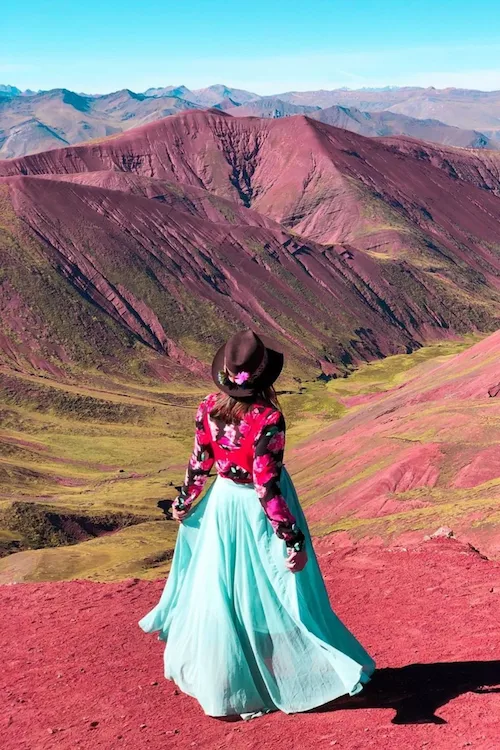
Salkantay Trek in July
The Salkantay Trek in July is one of the best ways to experience the raw beauty of the Peruvian Andes during the heart of the dry season. With clear skies, ideal hiking conditions, and breathtaking views of snow-capped peaks and cloud forests, July is among the most popular months for this iconic trek to Machu Picchu. This guide covers everything you need to know about doing the Salkantay Trek in July, including weather updates, what to pack, crowds, highlights, and expert tips.
Why Choose the Salkantay Trek in July?
Perfect Weather Conditions
July falls in the dry season in Peru, meaning you can expect:
Clear blue skies and sunny days
Minimal rainfall
Dry, firm trails ideal for trekking
Star-filled skies at night
This makes it easier to hike through high mountain passes like the famous Salkantay Pass (4,650 m / 15,255 ft) without worrying about slippery or muddy conditions.
Stunning Mountain Views
You’ll enjoy unobstructed views of the mighty Salkantay Mountain, the second-highest peak in the Cusco region, along with panoramic vistas of Humantay Lake, glacial valleys, and lush jungle terrain.
Great Time for Photography
If capturing the beauty of the Andes is on your bucket list, July’s dry, crisp air provides excellent visibility and lighting, especially during golden hours.
Weather on the Salkantay Trek in July
Temperature Overview:
Conditions:
Mostly dry and sunny
Cold at night, especially at Soraypampa and Salkantay Pass
Occasional winds in open high-altitude areas
What to Pack:
Insulating layers (thermal shirts, fleece)
Waterproof outerwear (just in case)
Gloves, beanie, and a warm hat
Sunglasses and sunblock
Hiking boots with good grip
Salkantay Trek Overview (5 Days / 4 Nights)
Day 1: Cusco → Mollepata → Soraypampa
Early pickup from Cusco
Drive to Mollepata and then Challacancha
Begin trekking to Soraypampa (3,900 m / 12,795 ft)
Afternoon visit to Humantay Lake
Overnight at the base of the mountains
Day 2: Soraypampa → Salkantay Pass → Chaullay
Early ascent to Salkantay Pass (4,650 m)
Enjoy incredible views of Salkantay Mountain
Descend into the cloud forest to Chaullay (2,900 m)
Day 3: Chaullay → La Playa → Lucmabamba
Day 4: Lucmabamba → Llactapata → Aguas Calientes
Hike the Llactapata trail, an Inca site with views of Machu Picchu
Descend to Hydroelectric and continue by train or hike to Aguas Calientes
Day 5: Aguas Calientes → Machu Picchu → Cusco
Early visit to Machu Picchu
Optional hike to Huayna Picchu or Machu Picchu Mountain
Return to Cusco by train and bus
Is July Crowded on the Salkantay Trail?
High Tourist Season
July is part of Peru’s peak tourist season, especially with Independence Day holidays at the end of the month.
Pros:
Cons:
Salkantay vs Inca Trail in July
Salkantay Advantages:
No permit limitations (unlike the Inca Trail)
Easier to book last minute
More remote and adventurous
Higher altitude challenges for thrill-seekers
Inca Trail Advantages:
Tip: If you want freedom, stunning scenery, and availability in July, Salkantay is an excellent choice.
Flora and Fauna in July
Because July is dry and cool, vegetation is lush but less dense than during the rainy season. You’ll likely see:
Altitude and Acclimatization
How to Prepare for the Altitude:
Spend at least 2 days in Cusco (3,400 m) before the trek
Stay hydrated and avoid alcohol
Coca tea helps with mild symptoms
Walk slowly and rest when needed
Acclimatization Day Ideas:
Recommended Gear for July
Good-quality sleeping bag (rated for -10°C)
Trekking poles
Reusable water bottle
Moisture-wicking clothing
Power bank (for charging devices)
Headlamp with extra batteries
What to Expect from the Experience
Physical Challenge
July conditions are ideal, but the trek still requires a moderate to high fitness level due to elevation and long walking days.
Mental Preparation
Being in nature for five days, with limited internet and comfort, requires a sense of adventure and flexibility.
Cultural Connection
You’ll pass small Andean communities and interact with locals, giving you a chance to understand rural Peruvian life.
Booking Tips for July
Book at least 1-2 months in advance
Confirm whether the company provides sleeping bags and poles
Ask about group sizes (smaller is usually better)
Check if entrance to Machu Picchu Mountain or Huayna Picchu is included
Finally Is the Salkantay Trek in July Worth It?
Absolutely. The Salkantay Trek in July offers everything an adventurous traveler could want: perfect weather, epic scenery, cultural immersion, and the rewarding finish of arriving at Machu Picchu. With dry trails, starry nights, and green valleys below snow-capped peaks, July is arguably the best month to embark on this unforgettable journey.
Prepare well, pack smart, and book early to ensure your spot on one of the most breathtaking treks in South America.