Lares Trek in February
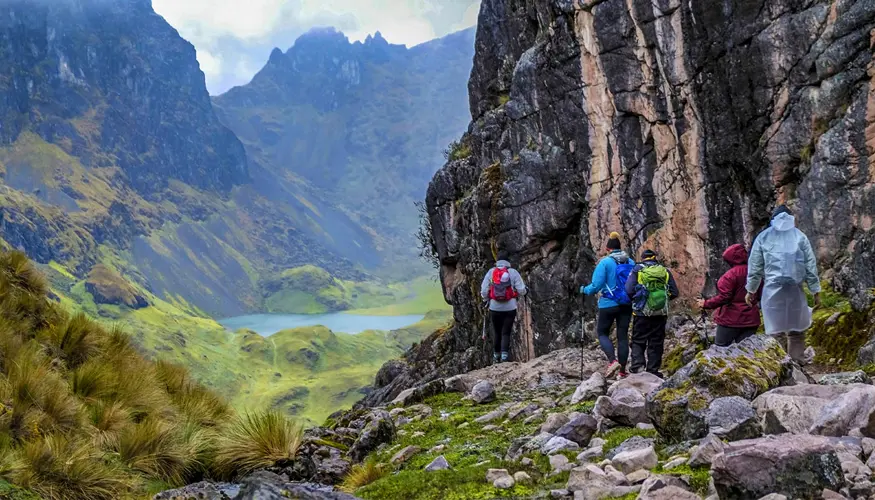
Hiking the Lares Trek in February is an off-the-beaten-path adventure for those seeking cultural immersion and mountain solitude near Machu Picchu. While February is part of the rainy season in the Andes, it can still be a rewarding experience for well-prepared travelers. This complete guide explores what to expect from the Lares Trek in February, including weather conditions, itinerary details, cultural encounters, and packing tips.
What Is the Weather Like in February?
February is one of the wettest months in the Andes, including the Lares region. However, it’s also when the landscape is at its greenest and most vibrant.
Average daytime temperature: 10°C to 18°C (50°F to 64°F)
Nighttime lows: Around 0°C (32°F), colder at higher altitudes
Frequent rain showers—especially in the afternoons and evenings
Humidity: High, with mist and clouds common in the mornings
Rain is almost guaranteed, so proper gear and preparation are essential. Despite the weather, this month offers peaceful trails and rich photographic opportunities.
Is the Lares Trek Open in February?
Yes, the Lares Trek remains open in February, unlike the Inca Trail which closes for maintenance. Tour operators continue to run treks during this time, though some may modify the route if certain areas become too muddy or unsafe.
It’s crucial to hike with a certified guide who monitors conditions and ensures a safe experience.
Advantages of Doing the Lares Trek in February
While many shy away from trekking during the rainy season, February does offer some advantages:
Fewer tourists: You’ll likely have the trail almost to yourself
Rich green landscapes: Rain brings vibrant vegetation and dramatic scenery
Authentic cultural experiences: Locals aren’t catering to crowds and are more accessible
Flexible permits: No need to book months in advance like the Inca Trail
Challenges of Hiking in February
Heavy rain: Can make trails slippery and challenging
Cold nights: Be prepared for freezing temperatures in the higher camps
Flooded trails: Some rivers or paths may become difficult to cross
Limited visibility: Fog and mist may reduce views on mountain passes
Despite these challenges, experienced hikers or those with strong local support can enjoy a meaningful journey.
Cultural Highlights of the Lares Trek
Even in February, cultural interactions remain a cornerstone of the Lares experience:
Visit traditional villages: Engage with families who maintain ancient lifestyles
Watch Andean weaving: Learn the techniques behind centuries-old textile traditions
Share local meals: Enjoy food made with native ingredients like potatoes and quinoa
Support local schools: Bring basic supplies or gifts for children
These moments often become the most cherished part of the trek.
Packing List for February
The rainy season requires smart and weather-specific packing. Essentials include:
Waterproof hiking boots with strong grip
Poncho or Gore-Tex rain jacket and pants
Thermal layers (base layer, fleece, and down jacket)
Quick-dry shirts and pants
Waterproof backpack cover
Trekking poles (highly recommended)
Sleeping bag rated for 0°C or lower
Headlamp with extra batteries
Sunscreen and sunglasses (UV exposure still high)
Insect repellent
First aid kit with blister protection
Reusable water bottle and purification tablets
Food and Accommodation
Food on the Lares Trek is typically prepared by a trekking chef and includes hearty meals to fuel your journey. Expect quinoa soup, rice, lentils, vegetables, and some meat dishes. Vegan and vegetarian options are usually available upon request.
Accommodation involves camping for the first two nights, with tents provided by the tour operator. On the third night, you’ll stay in a hotel in Aguas Calientes before visiting Machu Picchu.
How to Prepare for the Lares Trek in February
Acclimatize in Cusco for at least two days prior to the trek
Do practice hikes with a loaded backpack
Stay hydrated even in cold and wet conditions
Check weather forecasts and listen to your guide’s advice
Choose a reliable tour company that has experience trekking during the rainy season
Lares Trek vs. Other Treks in February
| Feature | Lares Trek | Inca Trail | Salkantay Trek |
|---|
| Open in February | Yes | No (closed month) | Yes |
| Cultural encounters | High | Moderate | Low |
| Rain impact | Moderate | High | High |
| Permit required | No | Yes | No |
| Crowds | Low | N/A | Moderate |
Is February a Good Time to Hike the Lares Trek?
The answer depends on your expectations:
Yes, if you:
Maybe not, if you:
Want clear views at high passes
Are uncomfortable camping in wet conditions
Prefer dry, sunny weather
For many, the combination of solitude, beauty, and meaningful interactions outweighs the inconvenience of rain.
Finally
The Lares Trek in February is a bold and beautiful choice for travelers willing to embrace the wet season. With the right gear, mindset, and guidance, it becomes more than just a hike—it’s a cultural and spiritual journey through the heart of the Andes.
If you’re looking for a path less traveled that still ends at the magnificent Machu Picchu, Lares in February might be the adventure you’ve been waiting for.