The Choquequirao cable car project is one of Peru’s most ambitious tourism initiatives. Its main goal is to make access to the Inca citadel of Choquequirao easier, a site often called the “sacred sister of Machu Picchu” because of its historical significance, breathtaking landscapes, and mysticism. This in-depth guide (around 2000 words) explores the cable car project: its history, technical details, economic and environmental impacts, as well as future travel tips.
Historical background of Choquequirao
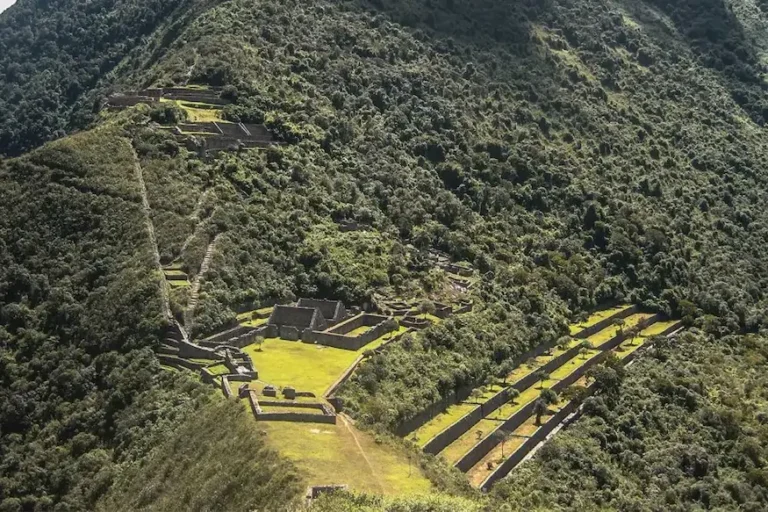
Choquequirao, which in Quechua means “cradle of gold,” is an Inca archaeological complex located in the Cusco region, bordering Apurímac. Sitting at more than 3,000 meters above sea level, it overlooks the dramatic Apurímac canyon, one of the deepest in the world.
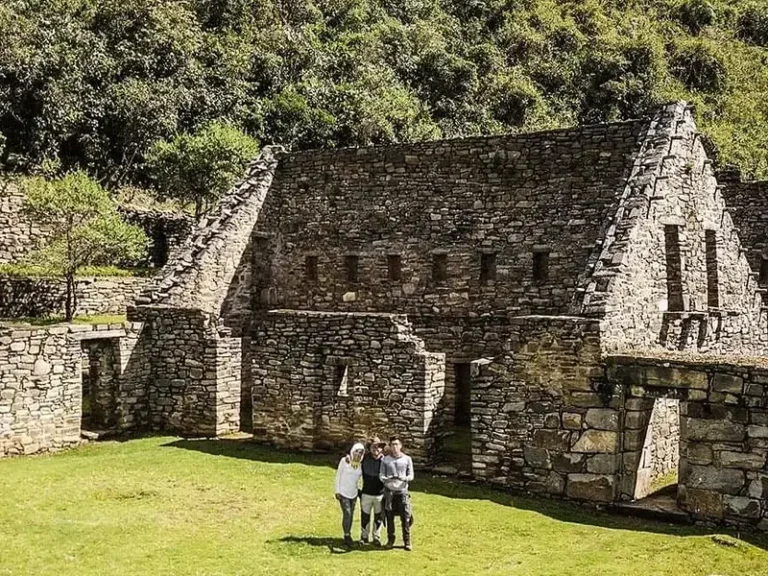
Although the site was known as early as the 18th century, major exploration took place in the 20th century. Choquequirao is remarkable for its terraces, ceremonial plazas, temples, and an urban layout that reflects the planning of the Inca Empire.
Until now, access has been extremely limited: visitors needed to trek 4 to 5 days across rugged terrain. The Choquequirao cable car is designed to change that, opening the site to a much wider audience.
What is the Choquequirao cable car project?
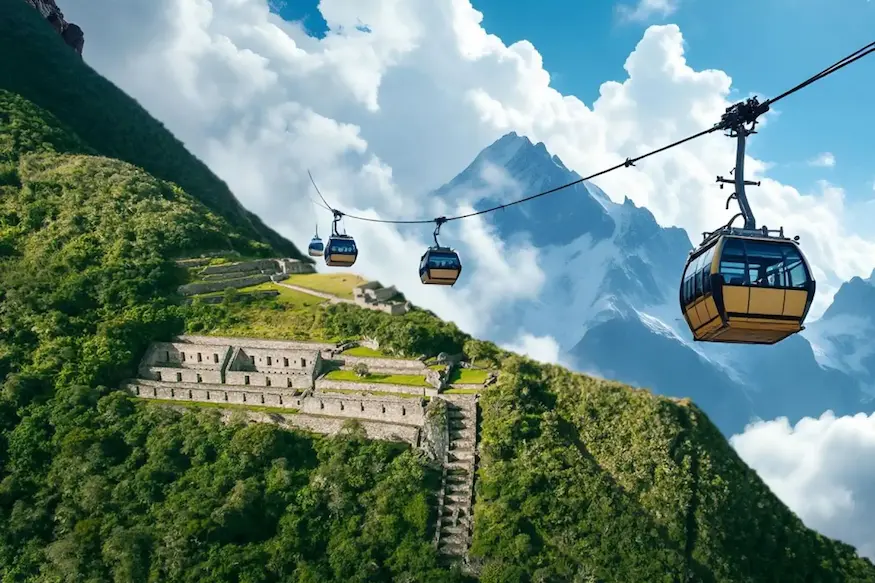
The project aims to build an aerial cable car system connecting the town of Kiuñalla (Apurímac) with the Choquequirao archaeological complex. This ride will cover in less than 30 minutes what today requires several days of strenuous hiking.
According to projections, the cable car will have the capacity to transport up to 400 people per hour, making it a landmark in Peruvian tourism infrastructure.
Technical features of the cable car
Length: Approximately 5 km.
Travel time: 15 to 30 minutes.
Capacity: Cabins designed for 20–30 passengers each.
Maximum altitude: Over 3,000 meters above sea level.
Stations: One in Kiuñalla (Apurímac) and another near Choquequirao.
Technology: Modern traction and safety systems similar to those found in Switzerland and France.
Expected impact on tourism
The Choquequirao cable car is expected to transform how visitors experience the site:
Visitor growth
Currently, only about 15,000 people visit Choquequirao annually. With the cable car, projections exceed 500,000 visitors per year.
Tourism decentralization
Peru’s tourism is highly concentrated in Machu Picchu. This project will redistribute visitors, reducing pressure on Machu Picchu while boosting Choquequirao’s recognition.
Economic development
The cable car is expected to generate thousands of jobs and stimulate businesses in Apurímac and Cusco in sectors such as transport, lodging, gastronomy, and handicrafts.
Economic benefits
The Peruvian government estimates the project will require more than USD 200 million in investment. However, the return could be substantial:
Ticket revenue: Millions of dollars annually from tourist entry fees.
Local business growth: Boosts to travel agencies, hotels, restaurants, and guides.
Cultural value: Turning Choquequirao into a world-class destination.
Environmental concerns
Not everyone supports the Choquequirao cable car. Critics highlight potential risks:
Ecosystem impact: The Apurímac canyon is home to endemic species, including the Andean condor. Construction and increased tourism may disturb the ecosystem.
Tourist pressure: A sudden influx of visitors could damage archaeological remains if no sustainable management plan is enforced.
Community concerns: Local communities currently benefit from trekking tourism and worry that easier access may reduce their income.
To address this, experts insist on sustainability plans and responsible tourism policies.
Current status of the project
The Choquequirao cable car has been announced and delayed several times since 2012 due to changes in government, funding difficulties, and debates over its execution.
As of 2025, the project remains in advanced planning stages. Both the Cusco and Apurímac regional governments strongly support its realization, considering it a key driver of economic and cultural growth.
Comparisons with other famous cable cars
The Choquequirao cable car could rank among the most impressive in the world, comparable to:
Mérida Cable Car (Venezuela): The longest and highest in the world at 12.5 km.
Mi Teleférico (La Paz, Bolivia): A modern urban transport system connecting the city’s neighborhoods.
Aiguille du Midi Cable Car (France): A world-famous alpine route reaching 3,800 meters above sea level.
This would position Peru alongside iconic cable car destinations in tourism and engineering.
Practical tips for future visitors
Although the Choquequirao cable car is not yet operational, here’s what travelers can expect once it opens:
Trip duration: Cusco to Choquequirao could be completed in a single day, making day trips feasible.
Ticket prices: Estimated between USD 30–50 for international visitors, with lower rates for nationals.
Best season: April to October (dry season in the Andes).
Acclimatization: Even with the cable car, visitors should acclimate to high altitude in Cusco or Apurímac.
Responsible tourism: Always carry waste back, avoid touching or climbing ruins, and respect local wildlife.
Cultural and social impact
The Choquequirao cable car is not only a tourism project but also a cultural bridge. It will allow more Peruvians and international travelers to discover a site that embodies Inca resilience, spirituality, and engineering genius.
Local communities such as Cachora and Kiuñalla are expected to play an important role in providing cultural experiences—traditional food, dances, and Andean rituals—enriching the journey beyond the archaeological site itself.
Future perspectives
If implemented properly, the project could:
Strengthen Choquequirao’s case for UNESCO World Heritage status (it’s currently on the tentative list).
Promote a tourism circuit connecting Cusco, Apurímac, and Machu Picchu.
Foster sustainable development by combining cultural preservation with economic opportunities.
Conclusion
The Choquequirao cable car is more than a transportation system—it’s a gateway to a hidden gem of the Inca world. It has the potential to democratize access to Choquequirao, boost regional economies, and expand Peru’s global tourism appeal.
The challenge lies in achieving a balance: promoting mass tourism while safeguarding fragile ecosystems, respecting local communities, and preserving archaeological treasures. If done right, the cable car could turn Choquequirao from the “lost Inca city” into a worldwide symbol of sustainable and cultural tourism.