Lares Trek in March
The Lares Trek in March offers a breathtaking opportunity to connect with the ancient Andes, discover traditional Quechua villages, and enjoy scenic trails leading to the iconic Machu Picchu. While March still falls within the rainy season, it marks the transition into clearer skies and drier trails, making it a promising option for adventurous hikers looking to experience the beauty and culture of Peru without the crowds.
This comprehensive guide will walk you through everything you need to know about trekking Lares in March, including climate, daily itinerary, cultural highlights, trail conditions, and practical travel tips.
Is March a Good Time to Do the Lares Trek?
Yes, March is a transitional month where the rainy season begins to ease up. It offers several advantages:
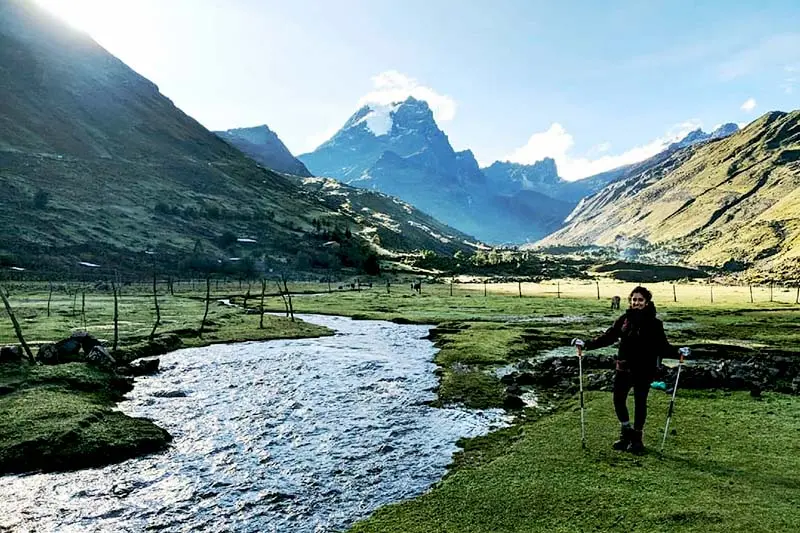
Greener landscapes: Lush vegetation, blooming wildflowers, and dramatic cloudscapes
Less crowded trails: Few hikers choose this time, making for a peaceful experience
Improved trail conditions: Drier than January or February but still moist
However, rain is still common, especially in the afternoons. With proper preparation, March offers a balance between seasonal beauty and manageable conditions.
Weather Conditions in March
March weather in the Lares region is unpredictable but manageable with the right gear:
Daytime temperatures: 10°C to 18°C (50°F to 64°F)
Nighttime temperatures: Can drop to 0°C (32°F) at higher camps
Rain: Frequent but lighter than earlier in the rainy season
Visibility: Generally better in the mornings
Afternoon showers and morning mists are common, so waterproof gear is essential.
Cultural Experiences Along the Route
The Lares Trek in March provides rich opportunities to experience Andean life up close:
Meet local artisans: Learn about centuries-old textile techniques in Wacawasi and Huilloc
Visit rural schools: Interact with local children and teachers
Participate in traditional meals: Some operators offer meals hosted by local families
Practice Quechua greetings: Connect with villagers in their native language
These interactions make the trek more than just a hike—it’s a cultural journey.
Trail Conditions in March
The rain in March makes trails soft and sometimes slippery. However, landslides and flooding are less likely than in January or February. With a good pair of waterproof hiking boots and trekking poles, most travelers find the trails manageable.
Mules or porters usually carry your gear, making the hike easier to complete even with challenging weather.
What to Pack for the Lares Trek in March
March requires packing for multiple conditions—sun, rain, and cold. Here’s a suggested list:
Waterproof hiking boots with ankle support
Rain poncho or waterproof jacket and pants
Thermal base layers
Fleece and insulated jackets
Lightweight, quick-drying trekking pants
Gloves, hat, and wool socks
Backpack rain cover
Headlamp with batteries
Sunscreen and lip balm with SPF
Sunglasses and sunhat
Insect repellent (mosquitoes may still be active)
Reusable water bottle or hydration bladder
Trekking poles
Snacks and electrolytes
Acclimatization and Altitude Tips
To avoid altitude sickness:
Arrive in Cusco at least 2–3 days before the trek
Do light hikes or walking tours in the city
Stay hydrated and avoid alcohol
Drink coca tea (a local remedy for altitude effects)
Consider medication such as acetazolamide (consult your doctor)
Food and Accommodation
Most tour operators provide all meals during the trek. Expect hearty Andean fare with local ingredients like potatoes, quinoa, corn, and vegetables. Some offer vegetarian, vegan, or gluten-free options upon request.
Accommodation includes:
Camping: Nights 1 and 2, with tents and sleeping mats provided
Hotel: Night 3 in Aguas Calientes, usually 3-star or similar
Hot drinks, snacks, and communal meals are part of the daily routine.
Lares Trek vs Inca Trail in March
While the Inca Trail reopens in March after its February maintenance closure, permits are limited and often sold out months in advance.
| Feature | Lares Trek | Inca Trail |
|---|
| Permits required | No | Yes |
| Availability | Flexible | Limited |
| Cultural immersion | High | Moderate |
| Crowds | Low | Moderate to high |
| Inca ruins on trail | Few | Many |
| Access to Machu Picchu | Yes (via train) | Yes (on foot) |
If your March plans are last-minute or focused on local culture, Lares is a better fit.
Tour Operators and Cost
Most Lares Trek packages include:
Transportation from Cusco
Guides, cooks, and porters
Meals and camping equipment
Entrance ticket to Machu Picchu
Hotel in Aguas Calientes
Train tickets and return transport
Average cost: $500 to $700 USD per person (group tour)
Private or custom treks are available at a higher cost and often include additional services like upgraded hotel stays or bilingual shamans for cultural ceremonies.
Is the Lares Trek in March Worth It?
Absolutely—if you’re prepared for a bit of rain and eager to experience a more authentic, quieter side of the Andes. March gives you access to lush landscapes, blooming valleys, and meaningful interactions with local communities.
You may not get the clearest skies every day, but the magic of the region lies just as much in its people and traditions as it does in its panoramic views.
Finally
The Lares Trek in March is a powerful experience for hikers who value connection over convenience. With lighter crowds, improving weather, and vibrant Andean scenery, this route offers a rare opportunity to walk ancient paths still used by locals today.
Pack smart, train well, and approach the journey with respect and curiosity—March just might be the perfect time for your Lares adventure.