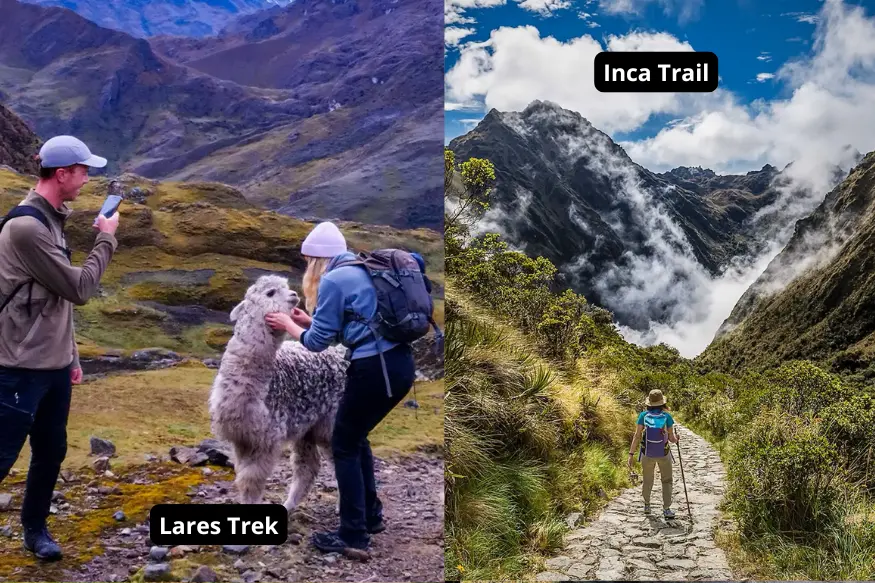
When travelers plan their journey to Machu Picchu on foot, they often face the big question: Lares Trek or Inca Trail? Both treks offer incredible experiences, but they differ in difficulty, landscapes, culture, and availability. This comprehensive guide (approx. 2000 words) provides a detailed comparison to help you decide which trek best suits your travel style.
Lares Trek and the Inca Trail
The Inca Trail is the most famous and sought-after route to Machu Picchu. It follows original stone paths built by the Incas and combines history, archaeology, and natural beauty. Due to its popularity, the Peruvian government strictly controls permits, making early booking essential.
The Lares Trek, on the other hand, is a lesser-known but equally rewarding alternative. It focuses more on authentic cultural interaction with local Andean communities and breathtaking high-altitude landscapes. Although it does not end directly at the Sun Gate (Inti Punku), it combines trekking with a scenic train ride to Machu Picchu.
General Comparison
| Aspect | Inca Trail | Lares Trek |
|---|
| Typical Duration | 4 days / 3 nights | 4 days / 3 nights (flexible variations) |
| Difficulty | Moderate–High (many stairs) | Moderate–High (higher altitude, fewer stairs) |
| Highest Altitude | 4,215 m (Dead Woman’s Pass) | 4,800 m (high mountain passes) |
| Focus | History and Inca ruins | Culture, people, and landscapes |
| Landscapes | Cloud forest, ruins, stone paths | Glacial lakes, valleys, Andean villages |
| Access to Machu Picchu | Direct entry via the Sun Gate | Train from Ollantaytambo to Aguas Calientes |
| Permit Availability | Very limited, sells out months ahead | Flexible, easy to obtain |
| Crowds | Busy, many groups | Quiet, less crowded, authentic |
History and Culture
Inca Trail
Part of the Qhapaq Ñan (the Great Inca Road network), the Inca Trail connects several important archaeological sites such as Llactapata, Runkurakay, Sayacmarca, Phuyupatamarca, and Wiñay Wayna, before reaching the Sun Gate and Machu Picchu itself. It is ideal for history lovers who want to walk the same paths once used by the Incas.
Lares Trek
While the Lares Trek does not feature major archaeological sites, it offers a unique immersion in living Andean culture. Travelers often visit traditional villages where locals still weave textiles by hand, herd alpacas, and farm using ancient techniques.
Landscapes
Inca Trail: A blend of cloud forests, lush greenery, stone stairways, and archaeological ruins hidden in the jungle. The scenery shifts dramatically as you descend into subtropical valleys.
Lares Trek: Towering peaks, turquoise glacial lakes, remote valleys, and natural hot springs. The landscapes feel wilder and less touched by tourism, creating a sense of solitude and vastness.
Difficulty and Physical Challenge
Inca Trail: The main challenge comes from steep stone steps and long trekking days (6–9 hours). The highest point is Dead Woman’s Pass (4,215 m), which requires stamina and good acclimatization.
Lares Trek: Although it reaches higher altitudes (up to 4,800 m), the trails are generally less steep. The greatest challenge is the thin air and the very cold nights at camp.
Cultural Experience
Inca Trail: The emphasis is mainly on ruins and archaeology. Cultural interaction with locals is minimal along the route.
Lares Trek: Offers genuine contact with Quechua communities. You can observe daily life, learn traditional weaving, and even share meals with locals. It’s more of a cultural immersion than just a hike.
Access to Machu Picchu
Inca Trail: The reward is arriving at Machu Picchu through the Sun Gate (Inti Punku) at sunrise. This iconic entrance offers a dramatic first view of the citadel that no other trek can match.
Lares Trek: Ends with a scenic train journey from Ollantaytambo to Aguas Calientes, followed by a guided tour of Machu Picchu the next morning. While it doesn’t include the Sun Gate approach, it still ensures a complete Machu Picchu experience.
Permits and Logistics
Inca Trail: Only 500 permits per day are issued (including guides and porters). Permits sell out 6–8 months in advance, especially during the high season (May–September).
Lares Trek: No special permits are required, making it a much more flexible option. It can often be booked just weeks before departure.
Camping and Accommodation
Inca Trail: Camping is at designated sites with basic infrastructure. Everything is regulated, organized, but less flexible.
Lares Trek: More remote campsites, often near lakes or villages. Some versions include homestays or rustic lodges, giving the trek a more authentic touch.
Climate and Best Season
Best time for both treks: April to October (dry season).
Inca Trail: Humidity can be high, especially during the rainy season (November–March).
Lares Trek: Much colder at night, sometimes dropping to -5 °C at high altitude camps.
Approximate Costs
Inca Trail: Around USD 700–900 per person, depending on the agency. Higher prices reflect the permit restrictions and demand.
Lares Trek: Around USD 500–700, making it a more affordable option.
Which Trek Should You Choose?
Pick the Inca Trail if:
You want the classic experience of walking original Inca stone paths.
You dream of entering Machu Picchu through the Sun Gate.
You don’t mind booking months in advance.
Archaeology and ruins are your main interest.
Pick the Lares Trek if:
You’re interested in authentic cultural encounters.
You prefer solitude and less crowded trails.
You love alpine scenery with lakes and glaciers.
You couldn’t get an Inca Trail permit but still want an epic trek.
Conclusion
Both the Lares Trek and the Inca Trail are unforgettable ways to reach Machu Picchu, each offering a different perspective.
The Inca Trail is perfect for those who want history, ruins, and the thrill of arriving at Machu Picchu through the Sun Gate.
The Lares Trek is ideal for travelers seeking culture, authenticity, and stunning natural scenery far from the crowds.
Either trek guarantees breathtaking views, a deep connection to Andean culture, and the unforgettable reward of experiencing Machu Picchu.