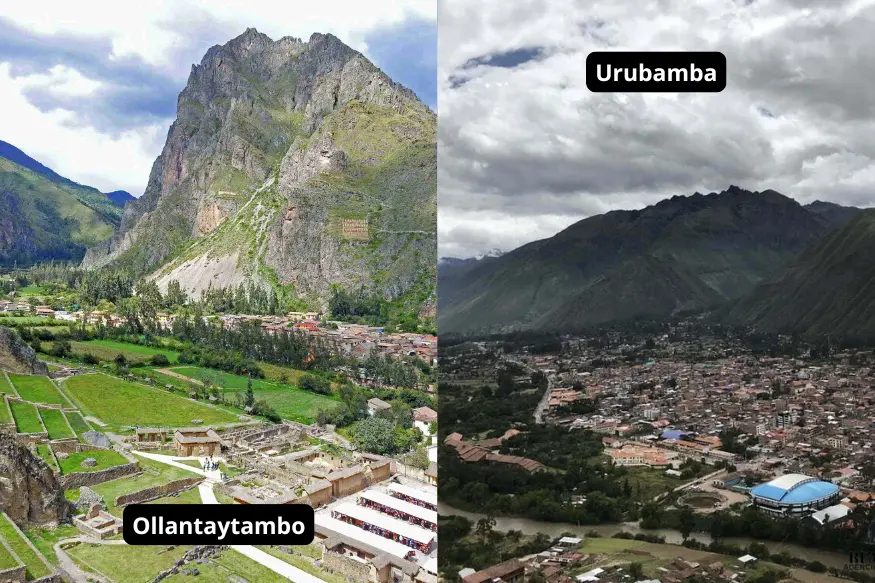
When planning a trip through the Sacred Valley of the Incas, two names always stand out — Ollantaytambo and Urubamba. Both towns are located between Cusco and Machu Picchu and are often used as bases for exploring nearby archaeological sites, colorful markets, and stunning Andean landscapes.
But when choosing where to stay or which one to visit, many travelers wonder: Ollantaytambo vs Urubamba — which is better?
In this complete guide, we’ll compare everything: location, atmosphere, hotels, restaurants, attractions, transportation, and more. By the end, you’ll know exactly which town suits your travel style and itinerary.
What Is the Sacred Valley of the Incas?
Before diving into the comparison, let’s set the scene.
The Sacred Valley of the Incas lies between Pisac and Ollantaytambo, following the Urubamba River. The valley was considered sacred by the Incas because of its fertile lands and perfect altitude for agriculture. Today, it’s a must-visit destination full of ruins, crafts, and traditional Andean culture.
Both Urubamba and Ollantaytambo are essential stops within the valley, yet they offer two very different experiences.
Where Are Ollantaytambo and Urubamba Located?
| Town | Altitude | Distance from Cusco | Distance to Machu Picchu |
|---|
| Ollantaytambo | 2,792 m (9,160 ft) | 60 km (2 hrs by car) | 32 km (1 hr 45 min by train) |
| Urubamba | 2,870 m (9,416 ft) | 55 km (1 hr 30 min by car) | 47 km (2 hrs by train) |
Both towns sit at a lower altitude than Cusco (3,400 m), making them great places to acclimatize before visiting Machu Picchu. However, Urubamba is located in the valley floor, while Ollantaytambo is surrounded by towering mountains and ancient ruins.
Ollantaytambo Overview
The Living Inca Town
Ollantaytambo is often called the “Living Inca Town” because its original Inca urban layout is still intact. You’ll walk along cobblestone streets, pass by stone walls, and hear the sound of running water through ancient channels — the same ones used over 500 years ago.
Main Attractions
Ollantaytambo Archaeological Site: Massive terraces, temples, and the famous Sun Temple overlook the town.
Pinkuylluna Mountain Storehouses: A short hike offers panoramic views of the valley and ruins.
Train Station to Machu Picchu: The most convenient departure point for the Machu Picchu train.
Local Market: Small but authentic, perfect for souvenirs and snacks.
Atmosphere
Ollantaytambo feels more rustic and historic, with a deep Inca essence. It’s quieter at night, but during the day, it gets lively as tourists arrive to visit the ruins or take the train to Machu Picchu.
Urubamba Overview
The Heart of the Sacred Valley
Urubamba is larger and more modern than Ollantaytambo. It’s often considered the gateway to the Sacred Valley, surrounded by fertile fields and majestic snow-capped peaks like Chicón and Verónica.
Main Attractions
Urubamba Market: Less touristy, offering fresh produce, Andean grains, and local life.
Pottery Workshops: Visit the famous Cerámica Seminario, showcasing exquisite handmade ceramics.
Chichubamba Community: Learn traditional Andean farming, chocolate making, and beekeeping.
Urubamba River: Offers peaceful riverside walks and kayaking opportunities.
Atmosphere
Urubamba has a laid-back, countryside feel with more services — supermarkets, banks, and restaurants. It’s less focused on archaeology and more on relaxation, making it a great spot for families or travelers seeking comfort.
Ollantaytambo vs Urubamba: Quick Comparison Table
| Feature | Ollantaytambo | Urubamba |
|---|
| Vibe | Historic, Inca, charming | Peaceful, rural, modern |
| Size | Small village | Larger town |
| Altitude | Slightly lower | Slightly higher |
| Main Attractions | Inca fortress, Pinkuylluna, train to Machu Picchu | Pottery workshops, local market, scenic valley |
| Best For | History lovers, hikers, Machu Picchu access | Families, relaxation, countryside stays |
| Nightlife | Quiet, few bars | More restaurants and hotels |
| Accessibility | Further from Cusco, but direct train to Machu Picchu | Easier access by road, no train station |
| Scenery | Surrounded by mountains and ruins | Open valley with farming landscapes |
Distance and Transportation
Getting to Urubamba
From Cusco, take a collectivo (shared minivan) from Calle Pavitos. The trip takes around 1.5 hours and costs 8–10 soles.
Taxis cost about S/ 120–150 (USD 30–40) for a private transfer.
Getting to Ollantaytambo
You can also take a collectivo from Calle Pavitos directly to Ollantaytambo. The ride takes about 2 hours and costs 10–15 soles.
Alternatively, you can go via Urubamba, since Ollantaytambo is 25 minutes further west.
Connection Between Them
Accommodations: Where to Stay
Staying in Ollantaytambo
Ollantaytambo offers cozy guesthouses and boutique hotels with charming views of the ruins and surrounding mountains.
Recommended Options:
El Albergue Ollantaytambo: A historic hotel right at the train station with organic gardens.
Apu Lodge: Peaceful stay near Pinkuylluna, with mountain views.
Tikawasi Valley: Affordable, comfortable, and close to the main plaza.
Who It’s For: Travelers who plan to take the train to Machu Picchu early in the morning or want to experience the magic of an authentic Inca village at night.
Staying in Urubamba
Urubamba boasts the widest selection of hotels in the Sacred Valley, including luxury resorts and wellness retreats.
Recommended Options:
Tambo del Inka, a Luxury Collection Resort: 5-star resort with spa, pool, and private train station.
Aranwa Sacred Valley Hotel: Elegant colonial-style property with a riverside view.
Inti Ñan Hotel: Mid-range option surrounded by gardens and mountains.
Who It’s For: Couples, families, or anyone seeking comfort, relaxation, and nature rather than ruins and crowds.
Food and Restaurants
In Ollantaytambo
Despite being small, Ollantaytambo has excellent food options for all budgets.
Top Picks:
Apu Veronica: Local cuisine and trout specialties.
Hearts Café: Great breakfast and sandwiches, with social mission support.
Kusicoyllor: Lovely ambiance for dinner with a view.
Vibe: Casual and local, perfect for travelers passing through or spending one night before Machu Picchu.
In Urubamba
Urubamba has become the gastronomic center of the Sacred Valley, with restaurants blending traditional and modern Peruvian cuisine.
Top Picks:
El Huacatay: The most famous restaurant in Urubamba — farm-to-table Andean fusion.
Tunupa Restaurant: Buffet lunch with river views and traditional dance shows.
Kaia Shenai Café: Organic coffee, vegetarian dishes, and live music.
Vibe: Sophisticated yet relaxed — ideal for those wanting a culinary experience in the countryside.
What to Do in Each Town
Things to Do in Ollantaytambo
Explore the Archaeological Complex: Walk among massive stone terraces and temples.
Hike to Pinkuylluna: Free short hike to ancient Inca storehouses with panoramic valley views.
Visit the Inca Water Channels: See how the ancient aqueducts still function today.
Train to Machu Picchu: Depart from the local station — the most scenic railway in Peru.
Sunset Photography: Capture golden light over the ruins and town square.
Things to Do in Urubamba
Visit Seminario Pottery Workshop: Admire world-class ceramics inspired by Andean culture.
Relax at a Spa: Enjoy massages, saunas, and yoga retreats offered by resorts.
Experience Chichubamba Community: Learn chocolate making, chicha brewing, and agriculture.
Kayak or Bike the Valley: Explore Urubamba’s open landscapes.
Eat and Unwind: Sample farm-to-table food surrounded by nature.
Which Town Has Better Weather?
Both share a similar mild Andean climate, but Urubamba tends to be slightly warmer since it lies on the valley floor.
| Season | Months | Average Day Temp | Average Night Temp | Rainfall |
|---|
| Dry Season | May–October | 21°C (70°F) | 5°C (41°F) | Low |
| Rainy Season | November–April | 18°C (64°F) | 8°C (46°F) | High |
Accessibility and Convenience
Urubamba has more frequent transport to and from Cusco and other Sacred Valley towns. It’s easier for drivers and tour groups.
Ollantaytambo, however, is the only town with a direct train station to Machu Picchu, which makes it the most strategic place to stay if you plan to go there early the next morning.
Verdict:
If your main goal is Machu Picchu → Stay in Ollantaytambo.
If your goal is to explore the valley and relax → Stay in Urubamba.
Local Culture and Atmosphere
Ollantaytambo
Authentic Inca architecture and preserved layout.
Locals wear traditional clothing.
Lively mornings with market stalls and tour groups.
Nights are peaceful and quiet — ideal for resting.
Urubamba
A mix of locals and expats running eco-lodges and wellness retreats.
Active during the day, calm in the evening.
Great place to connect with local families and artisans.
Pros and Cons Summary
Ollantaytambo – Pros ✅
Direct train to Machu Picchu.
Inca ruins within walking distance.
Authentic historic vibe.
Ideal for short stays and adventure travelers.
Cons ❌
Urubamba – Pros ✅
Central location in the valley.
Wide range of hotels and restaurants.
Warmer weather and peaceful environment.
Ideal for longer stays and wellness seekers.
Cons ❌
How to Combine Both in Your Itinerary
The best way to experience the Sacred Valley is to visit both towns:
Stay in Urubamba for a couple of nights to enjoy relaxation, food, and workshops.
Then move to Ollantaytambo for one night before catching the early train to Machu Picchu.
This way, you’ll get both comfort and history — the perfect Sacred Valley balance.
Traveler Recommendations
For families: Urubamba — safer roads, resorts with pools, easy access.
For backpackers: Ollantaytambo — budget hostels and direct trains.
For couples: Urubamba — romantic lodges and fine dining.
For history buffs: Ollantaytambo — living Inca streets and ruins.
For digital nomads: Urubamba — better Wi-Fi and cowork-friendly cafés.
Ollantaytambo or Urubamba: Which One Wins?
In the debate of Ollantaytambo vs Urubamba, there’s no single winner — it all depends on your travel style.
Choose Ollantaytambo if you want to feel the Inca spirit, walk ancient streets, and wake up close to the train to Machu Picchu.
Choose Urubamba if you prefer comfort, relaxation, and nature, with great food and stunning mountain views.
If time allows, visit both — they’re only 25 minutes apart and complement each other perfectly. Together, they reveal the soul of the Sacred Valley of the Incas: a place where history, nature, and Andean tradition come alive.