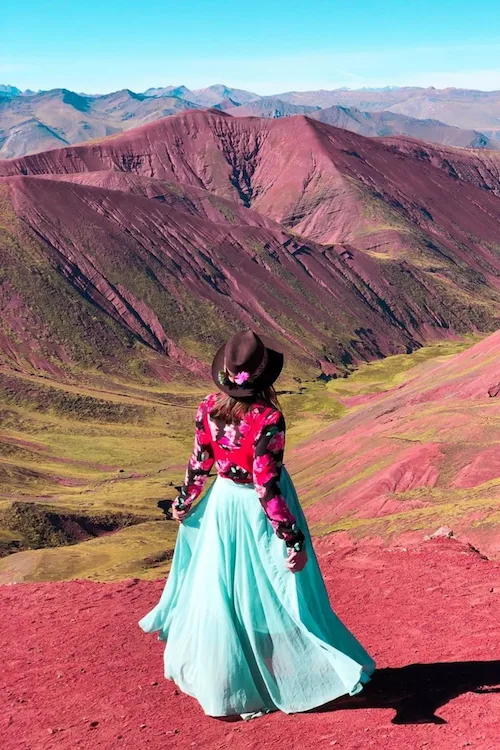
Visiting Rainbow Mountain in February is a unique adventure that combines the beauty of the Andes with the challenges of the rainy season. Known as Vinicunca or the Montaña de Siete Colores, this colorful natural wonder has become one of Peru’s top attractions. February, however, brings its own conditions that travelers need to prepare for.
In this complete guide, you’ll discover everything you need to know: weather conditions, what to expect from the trek, how to prepare, the pros and cons of visiting during February, and useful tips to make the most of your experience.
What to Expect When Visiting Rainbow Mountain in February
February is right in the middle of the rainy season in Cusco (December – March). That means wetter conditions, cloudy skies, and fewer tourists.
Pros of Visiting in February
Fewer crowds: Unlike the busy dry season, you’ll find peace and quiet on the trail.
Greener valleys: The rain transforms the landscape into lush, vibrant green.
Cultural encounters: With fewer tourists, locals are more open to interaction.
Magical scenery: Snow often covers parts of the mountain, creating a mix of white and rainbow tones.
Cons of Visiting in February
Weather unpredictability: Rain, snow, or fog may hide the colors.
Slippery trails: Mud and water can make the hike more difficult.
Limited visibility: Cloudy conditions are frequent.
Carnival season: February is when local festivities take place; transport and availability may be impacted in Cusco.
Weather at Rainbow Mountain in February
Temperatures
Rainfall
February is among the wettest months of the year. Expect showers almost daily, especially in the afternoon.
Best Time of Day
Mornings (before 10:00 a.m.) are usually clearer. Tours typically leave Cusco very early (around 3:00–4:00 a.m.) to maximize chances of good visibility.
Difficulty of the Hike in February
The trek to Rainbow Mountain is moderate to challenging in the best conditions. In February, it can be tougher:
Trail distance: Around 7 km (4.3 miles) round trip
Elevation: 5,200 m (17,060 ft) at the summit
Duration: 2–3 hours uphill, 1.5–2 hours downhill
The rain and mud slow progress, and altitude makes every step feel harder. Renting a horse for part of the trail is a common option.
How to Prepare for Rainbow Mountain in February
1. Acclimatize to the Altitude
Spend at least 2–3 days in Cusco before hiking. Symptoms of altitude sickness include headache, nausea, and dizziness.
2. Travel with a Reliable Tour Operator
In February, going with professionals is essential. They provide trained guides, oxygen, ponchos, and updated weather information.
3. Monitor the Weather
Conditions can change fast. If storms are forecast, reschedule your hike.
Packing List for Rainbow Mountain in February
Your gear can make or break the experience. Here’s what to bring:
Waterproof clothing: Jacket, pants, and poncho.
Layered clothing: Thermal base layers, fleece, and windbreaker.
Hiking boots: Waterproof with good traction.
Gloves and hat: For warmth at the summit.
Walking sticks: Useful for muddy and slippery trails.
Backpack cover: Protects gear from rain.
Snacks and water: Energy bars, coca leaves, and at least 1 liter of water.
Sunscreen & sunglasses: UV rays are strong, even in the rainy season.
Photography Tips for February
Bring waterproof protection for cameras and phones.
Shoot in RAW if possible; this allows better editing when colors look muted.
Capture the contrast of snow and rainbow stripes.
Don’t forget the valleys—they’re stunningly green in February.
Alternatives to Rainbow Mountain in February
If heavy rain makes the hike impossible, consider these options:
Palcoyo Rainbow Mountain
Lower altitude (4,900 m / 16,076 ft)
Easier hike (about 1 hour walking)
Multiple colorful mountains instead of one
Less affected by weather compared to Vinicunca
Humantay Lake
Sacred Valley of the Incas
Lower altitude, milder weather in February
Explore Pisac, Ollantaytambo, and Chinchero
Cultural Insights in February
February in Peru is the season of Carnival, a vibrant festival with dances, parades, and water games. If you’re in Cusco around this time, you’ll get to experience colorful Andean traditions.
On the trek itself, you’ll encounter Quechua-speaking communities who herd llamas and alpacas. With fewer tourists in February, you’ll have more meaningful interactions.
Safety Tips for February Visitors
Start early: Avoid afternoon rainstorms.
Travel with a guide: Conditions can be unpredictable.
Check forecasts daily: Tours may be rescheduled due to weather.
Listen to your body: Altitude sickness is serious—don’t ignore symptoms.
Bring cash: For horse rentals, snacks, or handicrafts from locals.
Is February a Good Time to Visit Rainbow Mountain?
While the best months to visit Rainbow Mountain are May to September (dry season), February can still be rewarding.
If you don’t mind rain, mud, or a chance of clouds, you’ll enjoy fewer crowds, vibrant green scenery, and an authentic Andean experience. However, be realistic: sometimes the mountain is fully visible, other times it’s hidden in mist.
Frequently Asked Questions
1. Can you hike Rainbow Mountain in February?
Yes. The trail remains open year-round, but weather conditions require extra preparation.
2. Will the colors be visible in February?
Sometimes. Rain and snow may obscure the stripes, but on clear mornings, the view is unforgettable.
3. Is February safe for Rainbow Mountain?
Yes, if you travel with a licensed guide and bring the right gear.
4. Do tours run in February?
Yes, daily tours operate, but they may be canceled or rescheduled if conditions are extreme.
5. Should I book in advance?
Yes. Even though fewer tourists visit in February, it’s best to book with a reputable operator to ensure availability and safety.
Final Travel Advice
Plan for flexibility: Weather may force you to adjust your schedule.
Pack for rain and cold: Layers and waterproof gear are essential.
Respect the environment: Stay on marked paths, don’t litter, and support local communities.
Enjoy the journey: Even if the colors aren’t fully visible, the valleys, snowcapped peaks, and cultural encounters make the trek worthwhile.
Conclusion: Should You Visit Rainbow Mountain in February?
Visiting Rainbow Mountain in February is a unique experience, perfect for travelers seeking solitude and adventure. While the rainy season brings challenges like slippery trails and cloudy views, it also offers lush landscapes, fewer tourists, and authentic cultural experiences.
If you’re well-prepared—with waterproof gear, acclimatization, and a flexible attitude—you’ll find February to be an exciting and memorable time to explore this natural wonder of the Andes.