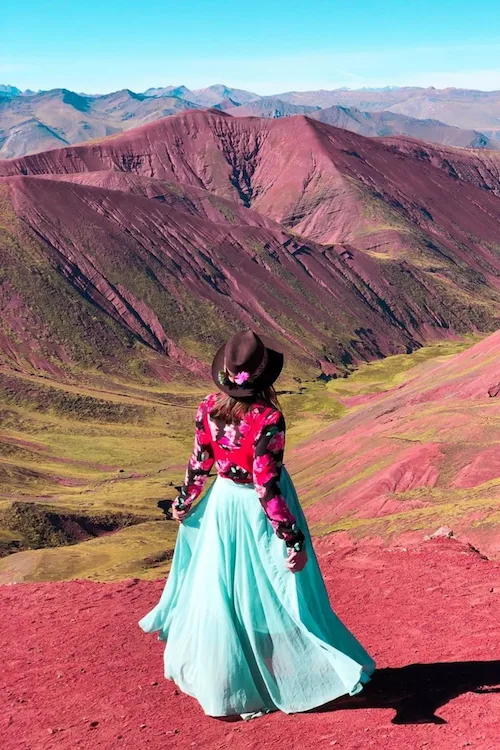
The Sacred Valley of the Incas Tour is one of the most fascinating day trips you can take from Cusco, Peru. Known for its stunning Andean landscapes, traditional villages, Inca ruins, and colorful markets, this valley was once the agricultural and spiritual heart of the Inca Empire.
Many travelers join organized tours to visit the Sacred Valley, but if you’re the independent type and want more freedom, you can absolutely explore the Sacred Valley of the Incas on your own. This guide covers everything you need to know — from how to get there, what to visit, entrance fees, transportation options, and the best itineraries — so you can plan your own unforgettable journey.
What Is the Sacred Valley of the Incas?
The Sacred Valley, or Urubamba Valley, stretches along the Vilcanota River between Pisac and Ollantaytambo, just north of Cusco. The Incas considered this valley sacred because of its fertile soil and alignment with important astronomical points. Today, it’s dotted with archaeological sites, terraced hillsides, and Andean towns that preserve their ancestral traditions.
The most visited towns in the valley are Pisac, Urubamba, Ollantaytambo, and Chinchero — each offering a unique mix of history, culture, and natural beauty.
Why Visit the Sacred Valley on Your Own?
Going on your own gives you complete freedom over your schedule. You can spend extra time in places you love, skip crowded markets, and even take detours to hidden spots that most organized tours miss.
Main Advantages:
Flexible timing: Leave Cusco early or late, visit only what interests you.
More affordable: Using public transport can save you money.
Local immersion: Eat where locals eat, chat with artisans, and see authentic village life.
Photography freedom: Stay longer at scenic viewpoints without feeling rushed.
Disadvantages:
Requires planning (buses, tickets, schedules).
Less explanation compared to having a guide.
Some routes are slower due to local transportation.
How to Get to the Sacred Valley of the Incas from Cusco
You can start your Sacred Valley tour on your own from Cusco, the gateway city to all the main attractions.
Option 1: By Public Transportation (Cheapest)
Local combis (minivans) and buses run daily between Cusco and the main Sacred Valley towns. These are affordable and safe if you travel during the day.
| Destination | From Cusco | Travel Time | Cost (Approx.) |
|---|
| Pisac | Calle Puputi | 45 min – 1 hr | 5–7 soles |
| Urubamba | Pavitos Street | 1.5 hrs | 8–10 soles |
| Ollantaytambo | Pavitos Street | 2 hrs | 10–15 soles |
| Chinchero | Bus to Urubamba or taxi | 40 min | 6–8 soles |
Tip: Most transport leaves when full, not at fixed times. Go early to avoid waiting too long.
Option 2: By Private Taxi
Hiring a private taxi or driver for the day is the easiest and fastest way to explore the Sacred Valley independently.
A full-day service (8–10 hours) typically costs between 250–350 soles (USD 65–90), depending on how many places you visit. You can negotiate directly with drivers in Cusco or through your hotel.
This option gives you total flexibility — you can visit Chinchero, Moray, Maras Salt Mines, Urubamba, and Ollantaytambo all in one day.
Option 3: By Renting a Car
You can rent a car in Cusco and drive the valley yourself. Roads are paved and scenic, but be prepared for winding mountain passes and occasional livestock crossings. You’ll need a valid international driver’s license.
Gas costs are moderate, but parking at archaeological sites is limited in some areas.
Sacred Valley Route Options (Independent Traveler)
When exploring the Sacred Valley of the Incas on your own, the best way is to follow a logical route depending on your available time.
Here are three popular itineraries:
1. Full-Day Route from Cusco to Ollantaytambo
Cusco → Pisac → Urubamba → Ollantaytambo
Highlights:
Pisac Market and Archaeological Site
Lunch in Urubamba (try corn beer chicha or trout ceviche)
Ollantaytambo fortress and cobblestone town
Suggested Schedule:
07:00 – Depart Cusco to Pisac
08:00 – Visit Pisac Ruins and Market
12:00 – Continue to Urubamba for lunch
14:00 – Arrive in Ollantaytambo, visit ruins and explore the old town
17:00 – Optional train to Aguas Calientes (for Machu Picchu) or return to Cusco
2. Short Route: Chinchero – Moray – Maras – Ollantaytambo
Ideal if you already visited Pisac or have limited time.
Highlights:
Suggested Schedule:
07:30 – Depart Cusco
08:30 – Explore Chinchero
10:00 – Visit Moray (30 min drive)
11:30 – Stop at Maras Salt Mines
13:00 – Lunch in Urubamba
14:30 – Ollantaytambo ruins
Return to Cusco or continue to Machu Picchu
3. Two-Day Route (Recommended for Slow Travelers)
If you want to explore deeply, stay one night in Ollantaytambo or Urubamba.
Day 1: Cusco → Pisac → Urubamba → Ollantaytambo
Day 2: Ollantaytambo → Moray → Maras → Chinchero → Cusco
This plan allows you to enjoy each site at your own pace and avoid crowds.
Main Attractions to Visit on Your Own
1. Pisac
Pisac is famous for its Inca archaeological site perched high above the town and its colorful artisan market. The terraces here are among the largest in the valley.
Entrance: Included with the Boleto Turístico (Partial or Full Ticket)
Opening Hours: 07:00–18:00
Tip: Hike down from the ruins to the market through scenic trails.
2. Urubamba
Known as the heart of the Sacred Valley, Urubamba is ideal for a lunch stop. It’s surrounded by cornfields and traditional villages.
Things to Do: Visit local restaurants, see pottery workshops, or relax at a riverside café.
Tip: Try “choclo con queso” (giant corn with cheese), a local specialty.
3. Ollantaytambo
This is the last living Inca town, with narrow cobblestone streets and ancient water channels still in use.
Main Attraction: The fortress of Ollantaytambo, a key military and ceremonial center.
Entrance: Boleto Turístico required.
Extra Tip: Stay overnight and catch the train to Machu Picchu the next day.
4. Chinchero
Known as the “Birthplace of the Rainbow,” Chinchero combines colonial and Inca architecture and has a vibrant textile market.
What to See: Inca ruins, colonial church, and women weaving alpaca textiles.
Entrance: Boleto Turístico (included).
Market Days: Sunday, Tuesday, Thursday.
5. Moray
Moray’s circular terraces were an Inca agricultural laboratory, designed to test crops at different altitudes and climates.
6. Maras Salt Mines (Salineras)
An impressive site with thousands of salt evaporation pools dating back to pre-Inca times.
Entrance Fees: Boleto Turístico del Cusco
To access most Sacred Valley archaeological sites, you’ll need the Boleto Turístico del Cusco.
Types of Tickets
| Ticket Type | Price (Soles) | Validity | Includes |
|---|
| Full Ticket | 130 (foreigners) / 70 (Peruvians) | 10 days | Pisac, Ollantaytambo, Chinchero, Moray, and more sites in Cusco |
| Partial Ticket – Circuit III (Sacred Valley) | 70 (foreigners) / 40 (Peruvians) | 2 days | Pisac, Ollantaytambo, Chinchero, Moray |
Where to Buy:
At the first archaeological site you visit (e.g., Pisac or Ollantaytambo).
Or at the COSITUC office in Cusco (Av. El Sol 103, near the main post office).
What to Pack for the Sacred Valley on Your Own
Original Passport: Required for entry to Machu Picchu if continuing the route.
Boleto Turístico: Buy at the first site or in Cusco.
Water and Snacks: Especially if you hike between sites.
Light Jacket: Mornings and evenings are cool.
Sunscreen, Hat, Sunglasses: UV radiation is strong.
Cash (soles): Many small towns don’t accept cards.
Camera: The valley’s views are unforgettable.
Weather in the Sacred Valley
The Sacred Valley’s weather is mild compared to Cusco, thanks to its lower altitude (2,700–2,900 meters).
| Season | Months | Conditions |
|---|
| Dry Season | May – October | Sunny days, cold nights |
| Rainy Season | November – April | Lush landscapes, frequent showers |
Best Time to Visit: May to September (clear skies, less rain).
Where to Eat in the Sacred Valley
Recommended Stops:
Urubamba: Tunupa Restaurant (buffet with river views), El Huacatay (local fusion dishes).
Pisac: Cuchara de Palo Café for vegetarian options.
Ollantaytambo: Heart’s Café and Apu Veronica for Peruvian classics.
Chinchero: Family-run chicherías and markets for authentic flavors.
Safety Tips for Traveling Alone in the Sacred Valley
Travel early in the day to avoid missing buses or being on the road after dark.
Keep your valuables secure in small towns and markets.
Use only official taxis or licensed drivers.
Carry small bills (5, 10, 20 soles).
Drink plenty of water and acclimatize if you’ve just arrived in Cusco.
Combining the Sacred Valley with Machu Picchu
Many travelers continue from Ollantaytambo to Machu Picchu by train.
Train Options: PeruRail or IncaRail.
Duration: 1 hour 45 minutes to Aguas Calientes.
Tip: Buy tickets in advance, especially during the dry season.
You can return to Cusco after Machu Picchu or stop again in Ollantaytambo for an overnight rest.
Estimated Budget for Independent Travelers
| Item | Approx. Cost (USD) |
|---|
| Transport (buses & taxis) | $15–25 |
| Boleto Turístico | $35 |
| Entrance to Maras | $3 |
| Meals | $10–20 |
| Miscellaneous | $5–10 |
| Total (per day) | $60–90 |
A private taxi will increase costs but save time, while public transport keeps the trip more budget-friendly.
Local Experience: Meeting the People of the Valley
One of the best parts of traveling independently is connecting with locals. Visit community weaving centers in Chinchero or pottery workshops in Urubamba. Many families welcome travelers to learn about their crafts and traditions — a great way to support local economies directly.
Final Tips for Visiting the Sacred Valley on Your Own
Start early (6:00–7:00 a.m.) to make the most of your day.
Bring snacks and water, as some sites are far from restaurants.
Buy the Boleto Turístico in advance if you plan multiple stops.
Stay overnight in Ollantaytambo for a less rushed experience.
Respect local customs — always ask before taking photos of people.
Is It Worth Doing the Sacred Valley Tour on Your Own?
Exploring the Sacred Valley of the Incas on your own is one of the most rewarding experiences in Peru. It gives you full control of your time, lets you connect with local people, and offers countless photo opportunities in breathtaking settings.
With proper planning, transportation knowledge, and an adventurous spirit, you’ll discover that traveling independently through this ancient land is not only possible but unforgettable.