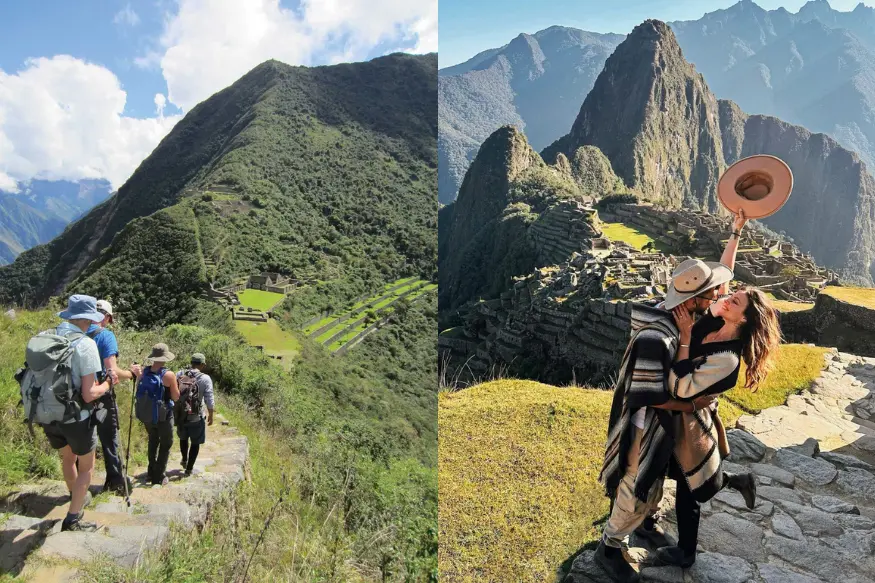
When travelers think of Peru, the first destination that comes to mind is Machu Picchu. However, hidden deep in the Andes lies another Inca treasure that is gaining recognition: Choquequirao. Often called the “sister city of Machu Picchu,” Choquequirao is an archaeological site of enormous cultural, historical, and spiritual value. But what are the real differences between Choquequirao vs Machu Picchu? Which one should you choose for your next adventure? This article of around 2000 words will give you a comprehensive comparison, focusing on history, architecture, accessibility, visitor experience, and much more.
Machu Picchu and Choquequirao
Machu Picchu is internationally famous, recognized as one of the New Seven Wonders of the World and a UNESCO World Heritage Site since 1983. It receives more than a million visitors each year and has become the most important symbol of Peru.
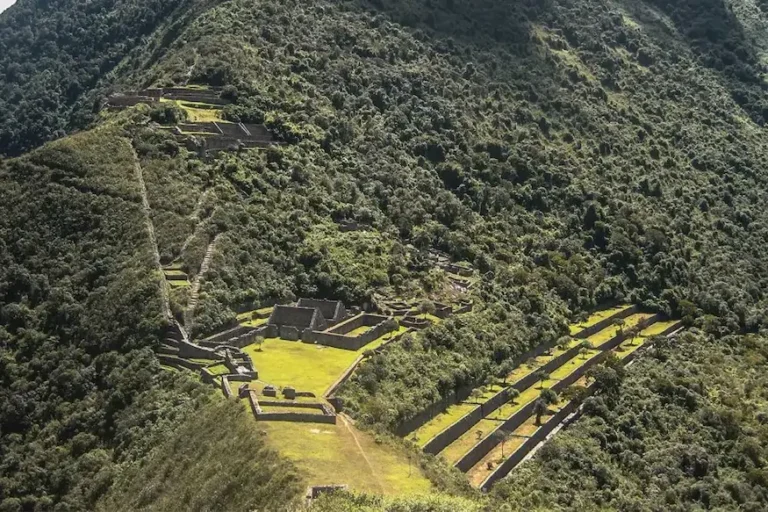
Choquequirao, whose name means “Cradle of Gold” in Quechua, is lesser known but just as significant. Perched at 3,030 meters above sea level in the Apurímac Canyon, it is considered by many as Machu Picchu’s twin due to similarities in design, location, and purpose. Unlike its sister, Choquequirao remains largely untouched by mass tourism, making it one of Peru’s last great hidden gems.
History of Choquequirao vs Machu Picchu
Machu Picchu was built in the 15th century, most likely under the rule of the Inca emperor Pachacuti. It functioned as a royal estate, a ceremonial center, and possibly a retreat for Inca nobility. When the Spanish conquered Peru, Machu Picchu remained hidden, never mentioned in colonial chronicles, and was rediscovered by Hiram Bingham in 1911.
Choquequirao is believed to have been built around the same time, during the reign of Pachacuti and his successors. Its strategic location connected Cusco with the jungle territories, making it both a ceremonial site and a military outpost. During the fall of the Inca Empire, Choquequirao served as one of the last refuges of resistance, protecting the Incas from Spanish invaders.
Both cities share similar functions as sacred, political, and administrative centers, but Choquequirao’s role as a final stronghold gives it a unique historical weight.
Comparative table: Choquequirao vs. Machu Picchu
| Aspect | Choquequirao | Machu Picchu |
|---|
| Location | Apurímac & Cusco regions, above the Apurímac Canyon (3,030 m) | Cusco region, above the Urubamba Canyon (2,430 m) |
| Accessibility | Only by trekking (4 days round trip, challenging) | Train + bus or short hikes, accessible for all ages |
| Crowds | Very few visitors (under 20,000 per year) | Over 1.5 million visitors annually |
| Excavation | Only about 40% uncovered, still a work in progress | Fully excavated and restored, UNESCO World Heritage Site |
| Atmosphere | Remote, adventurous, intimate, “lost city” feeling | Iconic, organized, crowded but awe-inspiring |
| Cost | Cheaper entry ($20), but trek logistics make it costly overall | Higher entry ($50–60), plus train and bus tickets |
| Wildlife & Nature | Condors, spectacled bears, orchids, untouched landscapes | Cloud forest, lush green mountains, fewer chances to see large wildlife |
| Historical Role | Considered the “Last Refuge of the Inca Empire” | Believed to be Pachacuti’s royal estate and ceremonial center |
Architecture and Design
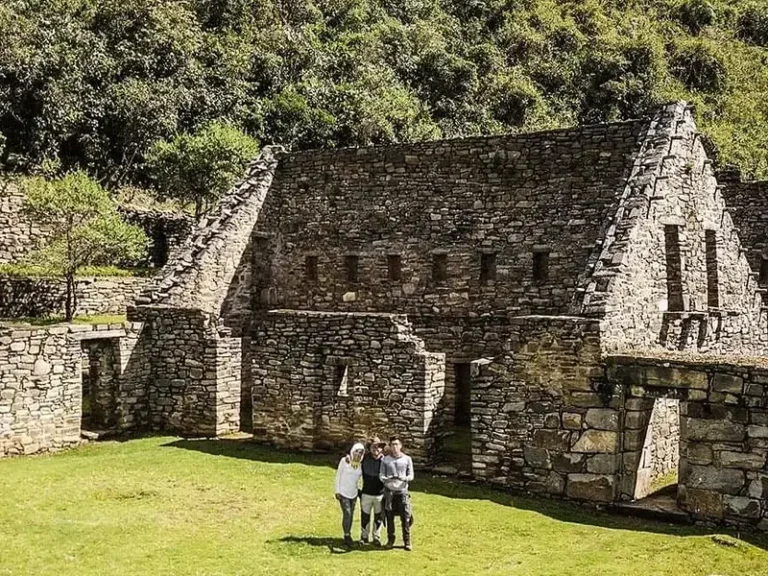
One of the strongest similarities in the Choquequirao vs Machu Picchu comparison is their architecture. Both sites exhibit classic Inca urban planning and engineering marvels:
Terraces: Both cities feature extensive agricultural terraces that demonstrate advanced knowledge of irrigation and slope stabilization. Choquequirao is especially famous for its llama-shaped stone terraces.
Main Plazas: Each site has a central plaza for administrative and ceremonial purposes.
Religious Centers: Temples dedicated to the sun, moon, and mountain deities exist in both.
Residential Areas: Noble residences and housing for workers and priests are evident in both complexes.
Hydraulic Systems: Complex channels and fountains reflect the Incas’ expertise in water management.
However, Machu Picchu is more completely excavated and preserved, while less than 40% of Choquequirao has been uncovered. This difference gives Choquequirao a sense of mystery and discovery that Machu Picchu no longer has.
Accessibility and Trekking
One of the biggest contrasts in the Choquequirao vs Machu Picchu debate is accessibility.
Machu Picchu: Can be reached in one day from Cusco. Travelers take a train to Aguas Calientes followed by a short bus ride or hike up to the citadel. It is accessible to all ages and fitness levels.
Choquequirao: Requires a challenging multi-day trek. The classic route from Cachora takes 4 days round trip, involving steep descents into the Apurímac Canyon and demanding ascents. There is no train or bus service to the ruins.
This makes Machu Picchu a convenient option for mass tourism, while Choquequirao is reserved for adventurous travelers seeking solitude and physical challenge.
Visitor Numbers and Experience
Machu Picchu is Peru’s most visited site, welcoming over 1.5 million people annually. Crowds are inevitable, and entry is regulated with timed tickets and strict rules to protect the ruins. The experience is awe-inspiring but can feel rushed due to the number of tourists.
Choquequirao, on the other hand, receives fewer than 20,000 visitors a year. At times, you may find yourself almost alone in the ruins. This solitude, combined with the difficulty of reaching it, makes Choquequirao one of the most authentic Inca experiences available today.
In the Choquequirao vs Machu Picchu debate, if you are looking for exclusivity and silence, Choquequirao wins. If you want a bucket-list icon, Machu Picchu is unbeatable.
Natural Environment
Both sites are located in transitional ecosystems between the Andes and the Amazon.
Machu Picchu: Overlooks the Urubamba River valley, with lush green mountains and subtropical cloud forest.
Choquequirao: Stands above the Apurímac Canyon, one of the deepest in the world, with more rugged and dramatic landscapes.
Wildlife is more commonly seen on the trek to Choquequirao, including condors, spectacled bears, and a variety of orchids and birds.
UNESCO Status and Global Recognition
Machu Picchu is a UNESCO World Heritage Site and one of the most recognized archaeological wonders in the world. Its image is iconic, symbolizing Peru on postcards, travel brochures, and documentaries.
Choquequirao is still on the tentative list for UNESCO recognition. Its lack of global fame keeps it relatively unknown, though its importance in Inca history is unquestionable.
Cost of Visiting
Machu Picchu: The total cost for a visit, including train, bus, and entry ticket, can range from $80 to $150 per person (excluding tours or guides). Premium circuits or hikes like Huayna Picchu require additional fees.
Choquequirao: The entry ticket is cheaper, around $20, but trekking costs can be higher because of the need for guides, camping gear, muleteers, and cooks. A 4-day trek with an operator can range between $350 and $600 per person.
Thus, while the entrance fee to Choquequirao is lower, the logistics of reaching it make the overall cost comparable to or even higher than a Machu Picchu trip.
Future Developments: The Cable Car
The Peruvian government has long discussed building a cable car to connect the Apurímac side to the ruins of Choquequirao. If completed, this project could reduce the trek to a 15–20 minute ride and increase visitors from a few thousand to half a million annually.
Supporters believe this would create jobs and spread tourism beyond Machu Picchu, while critics worry about environmental and cultural impacts. This project could drastically change the outcome of the Choquequirao vs Machu Picchu debate in the future.
Which One Should You Choose?
The decision depends on your preferences:
Choose Machu Picchu if: You want a world wonder, easy access, rich infrastructure, and a once-in-a-lifetime iconic photo.
Choose Choquequirao if: You prefer adventure, fewer crowds, physical challenge, and the feeling of discovering a lost city.
Choose both if: You have time and budget. Combining the two offers the perfect balance between iconic recognition and authentic exploration. Some extended treks even connect Choquequirao to Machu Picchu in 8–9 days.