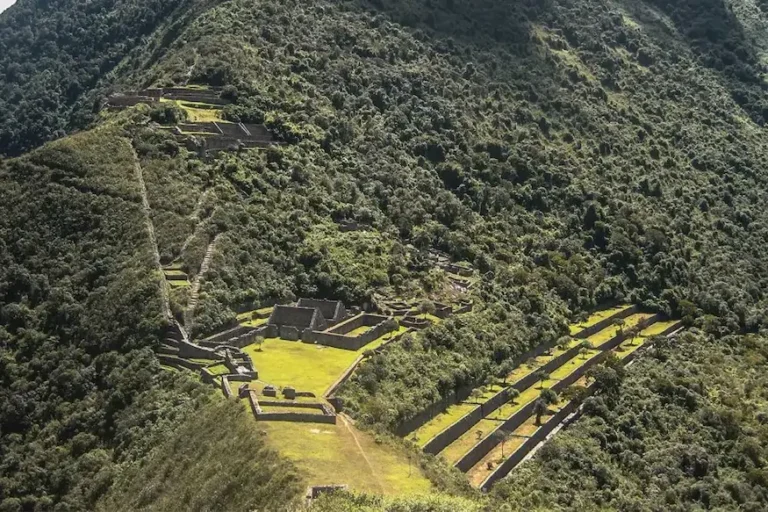
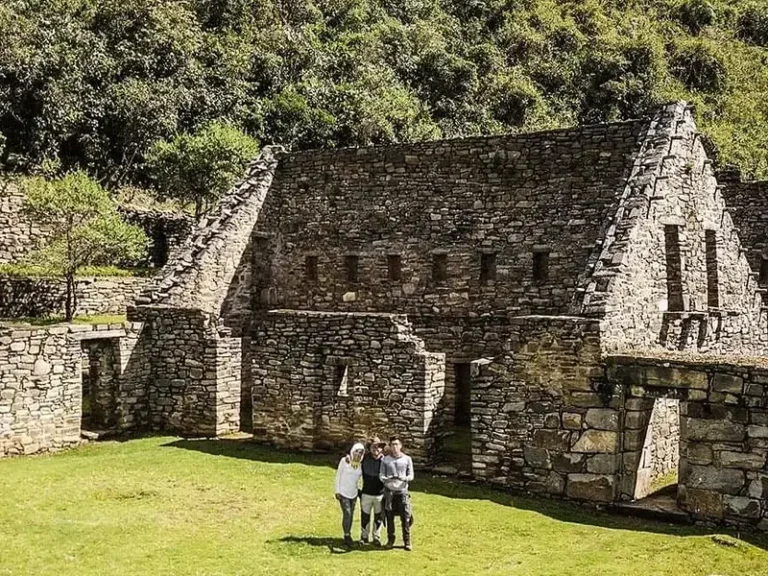
The Choquequirao trek elevation gain is one of the main challenges that makes this hike both demanding and rewarding. Known as the “sister city of Machu Picchu,” Choquequirao is hidden deep in the Andes above the Apurímac Canyon. Unlike Machu Picchu, which can be reached by train and bus, Choquequirao requires a multi-day hike with steep descents and ascents that test endurance, determination, and preparation.
In this comprehensive 2000-word guide, we’ll break down everything you need to know about elevation gain on the Choquequirao trek: altitude profiles, day-by-day breakdown, comparisons with other treks, acclimatization tips, and how to prepare for the physical challenge.
Why Elevation Gain Matters on the Choquequirao Trek
The trek to Choquequirao is not just a walk in the Andes — it’s a demanding journey through dramatic landscapes. Unlike flatter hikes, the Choquequirao trek elevation gain includes both sharp descents into the Apurímac Canyon and steep climbs back out.
On average, hikers face:
Cumulative elevation gain: Over 3,000 meters (9,800 ft) throughout the 4-day trek.
Daily elevation changes: Between 1,000–1,500 meters of descent and ascent.
This combination makes the trek more challenging than many expect, and proper preparation is key to enjoying the experience.
Starting Point: Cusco and Acclimatization
Most treks to Choquequirao begin in Cusco (3,400 m / 11,150 ft). Spending at least 2–3 days here before starting the trek is recommended to acclimatize to the altitude. Cusco itself already sits higher than Choquequirao, so the main challenge of the trek is not extreme altitude sickness but the steep elevation gains and losses.
Day-by-Day Elevation Gain Breakdown
The classic 4-day Choquequirao trek involves the following elevation profile:
Day 1: Cusco – Cachora – Capuliyoc – Chiquisca
Starting altitude: 2,800 m (Cachora)
Highest point: 2,900 m (Capuliyoc viewpoint)
Ending altitude: 1,800 m (Chiquisca campsite)
Elevation change: Descent of ~1,000 m
This first day introduces trekkers to the Apurímac Canyon. From Capuliyoc, hikers descend steep switchbacks with incredible views of snowcapped Padreyoc and the canyon walls. The descent can be tough on knees and requires trekking poles.
Day 2: Chiquisca – Playa Rosalina – Maranpata – Choquequirao Ruins
Starting altitude: 1,800 m
Lowest point: 1,500 m (Playa Rosalina, river crossing)
Highest point: 3,050 m (Maranpata)
Ending altitude: 3,030 m (Choquequirao campsite)
Elevation change: Gain of ~1,500 m
This is the most challenging day. The trail drops to the river before beginning a relentless uphill climb to Maranpata and then to Choquequirao. The elevation gain of nearly 1,500 meters in one day makes this stage comparable to some of the toughest sections of the Inca Trail.
Day 3: Choquequirao Exploration – Return to Chiquisca
Starting altitude: 3,030 m
Ending altitude: 1,800 m (Chiquisca)
Elevation change: Descent of ~1,200 m
After exploring the Choquequirao ruins in the morning, hikers retrace their steps back down to the canyon floor and ascend slightly to Chiquisca for camp. Descents can be equally taxing as ascents, especially on knees and ankles.
Day 4: Chiquisca – Capuliyoc – Cachora – Cusco
Starting altitude: 1,800 m
Ending altitude: 2,800 m (Cachora)
Elevation change: Gain of ~1,000 m
The final stretch involves a steep climb back to Capuliyoc and then a more gradual path to Cachora, where transport back to Cusco awaits.
Total Choquequirao Trek Elevation Gain
Cumulative elevation gain: ~3,000 meters (9,800 ft) over 4 days.
Cumulative elevation loss: ~3,000 meters as well.
This balance of descending and climbing makes the trek one of the most physically demanding in the Cusco region, often considered harder than the classic Inca Trail despite being shorter in duration.
Comparison with Other Popular Treks
| Trek | Distance | Max Altitude | Total Elevation Gain | Difficulty |
|---|
| Choquequirao Trek (4 days) | ~62 km round trip | 3,050 m | ~3,000 m | Challenging |
| Inca Trail (4 days) | 43 km | 4,215 m (Dead Woman’s Pass) | ~2,000 m | Moderate-Challenging |
| Salkantay Trek (5 days) | 72 km | 4,650 m (Salkantay Pass) | ~2,800 m | Challenging |
| Lares Trek (4 days) | 40 km | 4,200 m | ~1,500 m | Moderate |
Compared to the Inca Trail or Salkantay, Choquequirao has less extreme altitude but a more punishing elevation gain due to the canyon climbs.
Why the Elevation Gain is So Challenging
Steep Trails: Switchbacks are long and continuous, with few flat sections.
Heat in the Canyon: The Apurímac Canyon can be very hot at lower elevations, increasing fatigue.
Two Major Climbs: Unlike other treks, Choquequirao requires both a descent into a canyon and a climb out, repeated twice.
Physical Strain: Both ascents and descents stress legs differently — uphill strains endurance, downhill impacts joints.
Tips to Handle Choquequirao Trek Elevation Gain
Train Beforehand: Focus on cardio, leg strength, and endurance. Practice hiking with elevation gain near your home.
Use Trekking Poles: Reduce strain on knees during descents and help push during ascents.
Pace Yourself: Take steady steps, especially on long climbs. Avoid racing.
Hydrate Often: Dehydration at altitude accelerates fatigue. Carry at least 2 liters of water per day.
Pack Light: Hire mules or limit your backpack to essentials. Less weight makes a big difference.
Proper Footwear: Good hiking boots with ankle support help with both climbs and descents.
Acclimatize: Spend time in Cusco before trekking to adjust to altitude.
Rest and Stretch: Take breaks, eat snacks, and stretch muscles to avoid cramps.
Altitude Sickness and Elevation Gain
While the trek does not exceed 3,100 m, altitude sickness can still affect some trekkers, especially if they come directly from sea level. Symptoms include headaches, dizziness, nausea, and fatigue.
Tips to avoid altitude problems:
Stay in Cusco or Apurímac for 2–3 days before trekking.
Drink coca tea, a traditional remedy for altitude.
Avoid alcohol and heavy meals before starting.
Consider medications like Diamox if recommended by a doctor.
The Reward After the Climb
Despite the grueling Choquequirao trek elevation gain, the reward is extraordinary. Standing at the terraces of Choquequirao, overlooking the canyon and snowcapped peaks, with few tourists around, feels like stepping back in time. The sense of accomplishment after conquering steep trails makes the ruins even more magical.
Future Impact: The Cable Car Project
Plans for a cable car from Kiuñalla to Choquequirao could bypass the trek entirely, reducing the elevation challenge to a quick 15-minute ride. While this would open Choquequirao to mass tourism, it would also remove the sense of adventure that makes the trek special. For now, those who complete the elevation gain earn the privilege of experiencing Choquequirao in solitude.
Conclusion
The Choquequirao trek elevation gain is both the biggest challenge and the greatest appeal of this hike. With over 3,000 meters of ascent and descent, it demands preparation, stamina, and determination. But for those who accept the challenge, the reward is one of the most authentic and awe-inspiring Inca experiences in Peru.
Choquequirao may not be as famous as Machu Picchu, but the journey to reach it — with its grueling elevation changes — ensures that only true adventurers stand among its terraces. For many, that makes Choquequirao even more special.