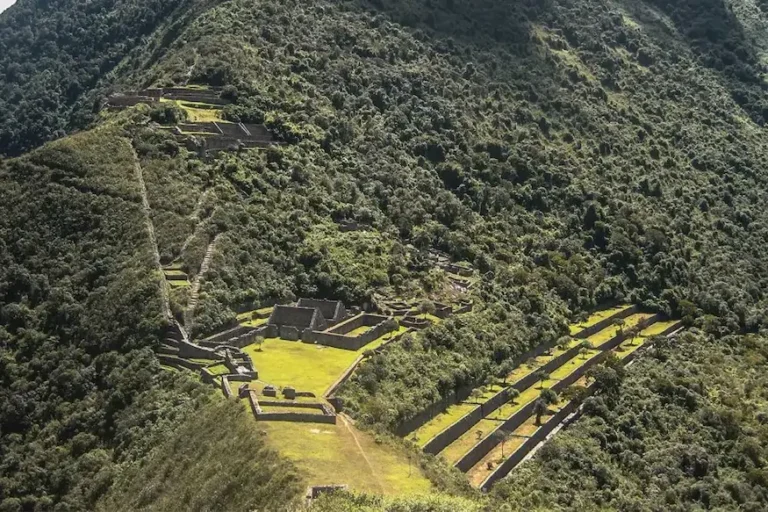
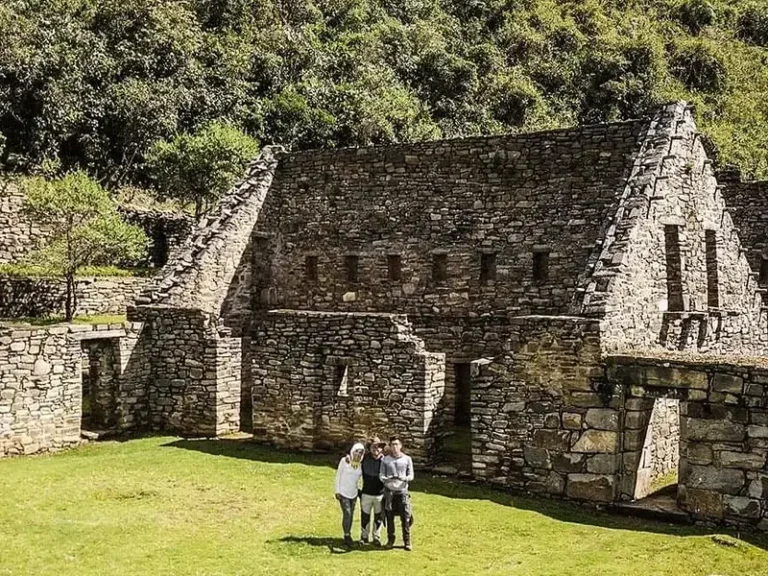
The Choquequirao Archaeological Park is one of the most fascinating destinations in Peru, often described as the “sacred sister of Machu Picchu.” Hidden deep within the Andes and overlooking the mighty Apurímac Canyon, Choquequirao remains one of the least visited yet most rewarding Inca sites. This article of approximately 2000 words explores its history, significance, architecture, natural surroundings, trekking routes, and travel tips. It is designed not only to inform but also to help position the keyword Choquequirao Archaeological Park in search engines.
Choquequirao Archaeological Park
Choquequirao, which in Quechua means “Cradle of Gold,” is located in the Vilcabamba Valley, straddling the Cusco and Apurímac regions of southern Peru. The site sits at more than 3,000 meters above sea level, surrounded by dramatic peaks and the deep Apurímac River canyon.
Although often compared to Machu Picchu, the Choquequirao Archaeological Park has its own unique identity. Its remote location, complex construction, and natural setting make it one of the last great Inca treasures still shrouded in mystery.
History of Choquequirao
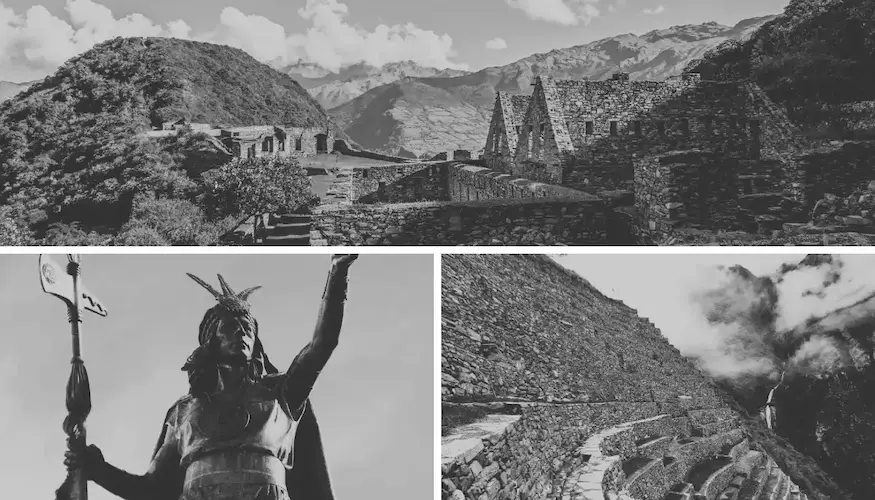
Scholars believe that Choquequirao was built during the reign of Emperor Pachacuti or his son Tupac Inca Yupanqui in the 15th century. It served as an important administrative and religious center, linking Cusco with the Amazon jungle.
During the Spanish conquest, Choquequirao is thought to have functioned as a refuge for the Incas, including the last rulers of Vilcabamba. Because of its remote location, the site was never fully discovered by the conquistadors. It remained hidden until it was mentioned in 18th-century chronicles, and scientific exploration began only in the 20th century.
Today, archaeologists estimate that less than 40% of the complex has been uncovered, leaving much still buried beneath thick vegetation.
Architecture of Choquequirao Archaeological Park
The layout and construction of Choquequirao demonstrate the Inca mastery of urban planning and stonework. Some of the main sectors include:
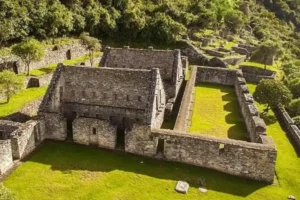
Main Plaza: The ceremonial and social hub, surrounded by administrative and residential structures.
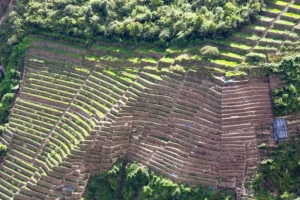
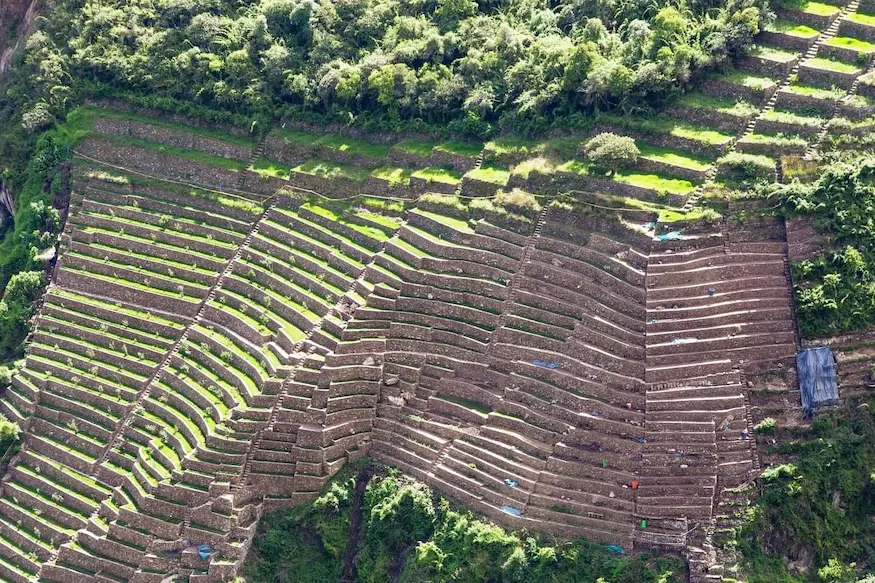
Terraces: Agricultural terraces that cascade down the steep slopes, many of which are decorated with unique stone llamas carved into the walls.
Temples and Ritual Areas: Spaces dedicated to worship and astronomy, reflecting the Incas’ strong spiritual connection with nature.
Hydraulic Systems: Complex channels, aqueducts, and fountains used for both agricultural and ceremonial purposes.
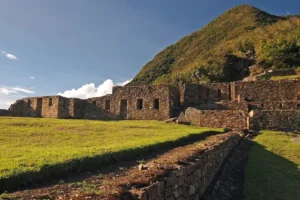
Warehouses and Residences: Structures that indicate a vibrant community of priests, farmers, and administrators.

The park covers over 1,800 hectares, though the excavated area open to visitors is around 30 hectares.
Natural Environment
The Choquequirao Archaeological Park is not only an archaeological site but also a natural sanctuary. Located in a transition zone between the high Andes and the Amazon, it is home to a remarkable diversity of ecosystems.
Travelers can encounter:
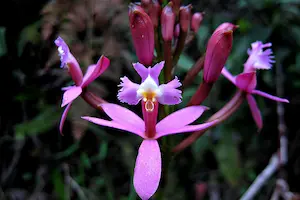
Flora: Orchids, bromeliads, native trees, and high-altitude plants.
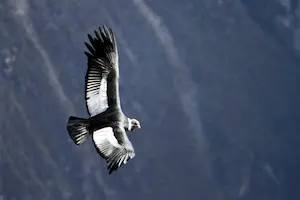
Fauna: The Andean condor, spectacled bear, pumas, deer, and diverse bird species.
Scenic Views: Panoramas of snow-capped peaks such as Salkantay and the dramatic Apurímac Canyon.
This rich biodiversity adds to the park’s attraction, making the trek not only cultural but also ecological.
Choquequirao vs. Machu Picchu
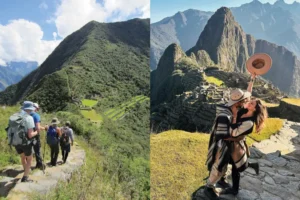
While often compared to Machu Picchu, Choquequirao offers a very different visitor experience:
Accessibility: Machu Picchu can be reached by train and bus, while Choquequirao requires a demanding multi-day trek.
Crowds: Machu Picchu receives thousands of visitors daily, whereas Choquequirao welcomes only a few dozen, ensuring a more intimate experience.
Exploration: Only a third of Choquequirao has been excavated, giving visitors a sense of discovery.
Atmosphere: Choquequirao feels remote, wild, and authentic, often described as what Machu Picchu must have been like before it became globally famous.
See more about Choquequirao vs Machu Picchu
Trekking to Choquequirao
The most popular way to reach the Choquequirao Archaeological Park is via a trekking route that starts from the town of Cachora in Apurímac.
Classic Choquequirao Trek (4 Days / 3 Nights)
Day 1: Cusco – Cachora – Capuliyoc – Chiquisca. Trek begins with views of the Apurímac Canyon.
Day 2: Chiquisca – Maranpata – Choquequirao. Strenuous climb followed by the first visit to the ruins.
Day 3: Full day exploring Choquequirao, then descend back to Chiquisca.
Day 4: Chiquisca – Cachora – Cusco. Final ascent and return to the city.
Extended Treks
Choquequirao to Machu Picchu (9 Days): Connects two of the most iconic Inca sites through rugged mountain trails.
Choquequirao Circuit (5–6 Days): Offers more time to explore the site and its surroundings.
Best Time to Visit
The dry season, from April to October, is the best time to visit. Days are sunny with clear skies, though nights can be very cold.
The rainy season, from November to March, makes the trail more difficult and slippery but offers lush landscapes and fewer trekkers.
What to Bring
Visitors to the Choquequirao Archaeological Park should be well prepared:
Sturdy trekking boots.
Sleeping bag and camping gear (if not rented).
Warm clothing and waterproof jacket.
Sun protection: hat, sunscreen, sunglasses.
Insect repellent.
Walking sticks with rubber tips.
Refillable water bottle or camel bag.
Personal medication and first aid supplies.
Challenges and Rewards
The trek to Choquequirao is demanding. Hikers face steep descents into the canyon followed by long, steep climbs. Daily walking times can reach 7–8 hours.
However, the rewards are extraordinary: the solitude, the untouched landscapes, and the awe-inspiring ruins make it one of the most authentic Inca experiences in Peru.
Future of Choquequirao
The Peruvian government has plans to increase accessibility to the Choquequirao Archaeological Park, including the proposed construction of a cable car. If built, it could bring hundreds of thousands of visitors annually, transforming the site and its surroundings.
While this promises economic benefits for local communities, it also raises concerns about environmental and cultural impacts. For now, Choquequirao remains a destination for adventurous travelers seeking authenticity.
Tips for Visitors
Spend at least 2–3 days in Cusco before trekking to acclimatize to the altitude.
Travel with a licensed tour operator for safety and logistics.
Respect the archaeological site: do not climb walls or remove stones.
Support local communities by purchasing crafts or hiring local muleteers.
Leave no trace: carry back all waste and respect the environment.
Conclusion
The Choquequirao Archaeological Park is one of Peru’s hidden gems, a site that combines history, culture, and natural beauty in a way few places can. Unlike Machu Picchu, it retains its sense of mystery and solitude, rewarding those willing to undertake the challenge of reaching it.
For travelers in search of an authentic, off-the-beaten-path adventure, Choquequirao is an unforgettable journey into the heart of the Inca world.