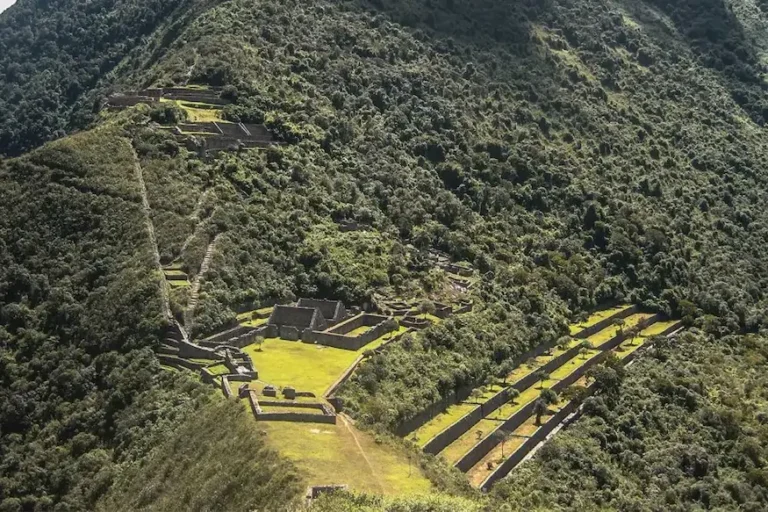
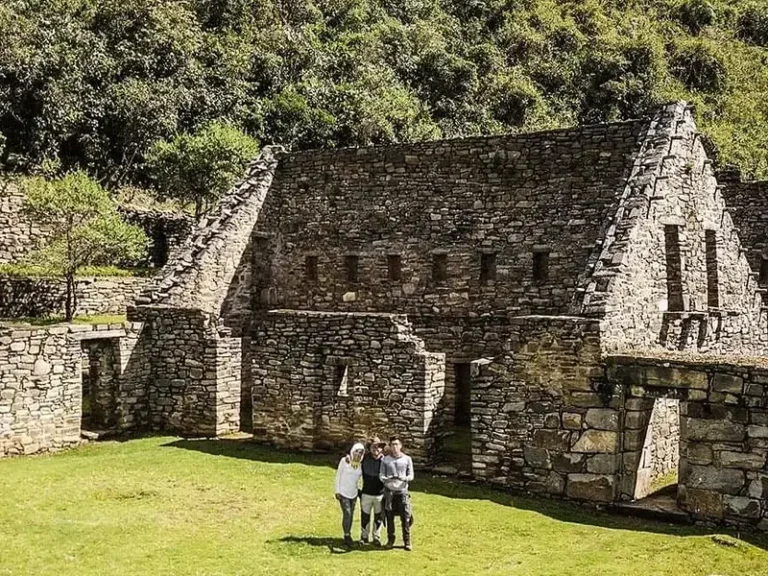
The best time to hike Choquequirao is one of the most common questions travelers ask before planning their adventure to this hidden Inca treasure. Unlike Machu Picchu, which is accessible by train and bus, Choquequirao requires a demanding multi-day trek through the Apurímac Canyon. Weather, trail conditions, and crowd levels all play an important role in shaping your experience. In this comprehensive guide of around 2000 words, we’ll cover everything you need to know: the best seasons, monthly breakdown, pros and cons of trekking in dry vs rainy months, preparation tips, and more.
Why Choosing the Best Time to Hike Choquequirao Matters
The trek to Choquequirao is considered moderate to challenging, with daily hikes of 6–8 hours, steep descents into the canyon, and demanding climbs back up. Unlike other treks in Peru, there are no trains, buses, or shortcuts — only your feet and determination. Because of this, weather plays a crucial role in safety and enjoyment.
Choosing the right time to hike can mean the difference between clear panoramic views, dry trails, and starry nights versus muddy paths, slippery descents, and heavy rains. For many travelers, timing their adventure correctly ensures that the long trek is as rewarding as possible.
Seasons in the Andes
Like most of Peru’s highlands, Choquequirao has two main seasons:
Dry Season (April – October): Sunny days, cold nights, minimal rainfall. Best for trekking.
Rainy Season (November – March): Frequent showers, lush green landscapes, but more challenging trail conditions.
Within these broad categories, each month has its own advantages and drawbacks.
Dry Season: The Best Time to Hike Choquequirao
The dry season is generally considered the best time to hike Choquequirao. Days are sunny and clear, offering excellent visibility of the ruins, the Apurímac Canyon, and surrounding peaks such as Salkantay and Padreyoc.
Advantages of the Dry Season
Stable Weather: Less chance of heavy rain, making trails safer.
Stunning Views: Clear skies ideal for photography and sightseeing.
Comfortable Trekking: Drier trails reduce the risk of slipping.
Wildlife: Easier to spot condors, deer, and even spectacled bears.
Disadvantages of the Dry Season
Cold Nights: Temperatures can drop near freezing at higher campsites.
More Visitors: While Choquequirao is never crowded like Machu Picchu, the dry season attracts more trekkers.
Higher Prices: Tour costs may be slightly higher due to demand.
Best Dry Season Months
May – June: Fresh after the rains, landscapes are green, skies are clear.
July – August: Peak season; weather is excellent but nights are very cold.
September – October: Still dry, warmer nights, fewer visitors.
Rainy Season: Hiking Choquequirao Off-Peak
The rainy season runs from November to March. Trekking is possible, but conditions are tougher.
Advantages of the Rainy Season
Fewer Visitors: You might have the ruins almost to yourself.
Lush Landscapes: Valleys are vibrant with flowers and greenery.
Milder Nights: Temperatures are less cold than in the dry season.
Disadvantages of the Rainy Season
Slippery Trails: Mud and landslides can make hiking dangerous.
Obstructed Views: Cloud cover may block scenic panoramas.
Heavy Showers: Afternoon rains can soak trekkers and camping gear.
For experienced trekkers who don’t mind unpredictable conditions, the rainy season can offer a more adventurous and solitary experience.
Month-by-Month Breakdown
Here’s a closer look at when is the best time to hike Choquequirao, month by month:
January – February: Heaviest rains. Trails muddy, frequent landslides. Trekking not recommended for most travelers.
March: End of rainy season. Landscapes lush, but trails still wet.
April: Beginning of dry season. Clear skies, green landscapes — excellent time to hike.
May: One of the best months. Stable weather, beautiful scenery.
June: Peak dry season. Great visibility, but nights are cold.
July – August: Popular months. Ideal conditions, though busiest time on the trail.
September: Warm days, fewer trekkers, still dry. Highly recommended.
October: Last dry month. Some showers, but overall good conditions.
November: Start of rainy season. Trails get muddy, weather less predictable.
December: Rains increase, though trekking is still possible early in the month.
Choquequirao Trek Difficulty by Season
Dry Season: Rated moderate to challenging due to steep terrain, but stable conditions.
Rainy Season: Rated challenging to very difficult because of slippery paths, stream crossings, and landslides.
For first-time trekkers or those less experienced, the best time to hike Choquequirao is between April and October.
Comparing Best Time to Hike Choquequirao vs Machu Picchu
Many travelers wonder how the best time to hike Choquequirao compares with Machu Picchu.
| Aspect | Choquequirao | Machu Picchu |
|---|
| Dry Season (Apr–Oct) | Best trekking conditions; fewer people | Best weather, but very crowded |
| Rainy Season (Nov–Mar) | Tough, muddy, adventurous | Still accessible by train, but fog and rain common |
| Visitor Numbers | Fewer than 20,000 per year | Over 1.5 million per year |
| Trek Experience | Remote, challenging, authentic | Easier access, but regulated and busy |
Tips for Choosing the Best Time to Hike
Acclimatize in Cusco first: Spend at least 2 days adjusting to altitude before trekking.
Book early for dry season: Even though Choquequirao isn’t crowded, guides and horses are in higher demand.
Pack for all conditions: Weather in the Andes can change quickly, even in dry season.
Bring layers: Hot days, cold nights are common.
Respect the environment: Carry waste back and use refillable bottles to reduce plastic.
Packing Recommendations by Season
Dry Season (Apr–Oct): Sunscreen, wide-brimmed hat, layers for cold nights, trekking poles.
Rainy Season (Nov–Mar): Waterproof jacket, rain poncho, quick-dry clothes, extra socks, stronger insect repellent.
Why Timing Matters for Wildlife and Scenery
Dry Season: Condors are easier to spot gliding over the canyon.
Rainy Season: Spectacled bears sometimes appear to forage near the ruins.
Flowering Season: Between March and May, orchids and wildflowers add vibrant color to the trek.
The Future: Will the Best Time Change with the Cable Car?
Plans for a Choquequirao cable car could drastically change how people visit. If built, it would reduce access time to less than 30 minutes, making weather less of a barrier. However, until then, trekkers must carefully choose the right season.
Finally
The best time to hike Choquequirao is during the dry season (April to October), when skies are clear, trails are stable, and the experience is safest. Within that, May, June, and September are often considered ideal months.
For adventurous travelers who don’t mind rain and want complete solitude, the rainy season offers its own rewards — lush greenery and quiet trails.
Ultimately, the decision depends on your priorities: safety and comfort, or adventure and seclusion. Either way, Choquequirao promises an unforgettable journey into the heart of the Inca Empire.