The Lares Trek to Machu Picchu is one of the most rewarding alternatives to the Inca Trail. Known for its cultural immersion, high-altitude landscapes, and fewer crowds, the trek offers a truly authentic Andean adventure. But before you start planning, one of the most important questions to answer is: What is the best time to hike the Lares Trek?
In this guide (approx. 2000 words), we will cover everything you need to know about the best season to hike the Lares Trek, including weather, altitude challenges, seasonal advantages and disadvantages, costs, crowds, and practical tips for preparation.
Weather on the Lares Trek
The Andes near Cusco have two distinct seasons:
Dry Season (April–October): Clear skies, colder nights, and stable weather.
Rainy Season (November–March): Heavy rain, muddy trails, cloudy skies, and higher risk of landslides.
Average Conditions
Daytime temperatures: 15–20 °C (59–68 °F) in dry season, 12–18 °C (54–64 °F) in rainy season.
Night temperatures: Can drop to -5 °C (23 °F) or lower at high camps.
Humidity: Higher in rainy season, especially in valleys.
Best Time to Hike the Lares Trek
1. May to September – The Ideal Months
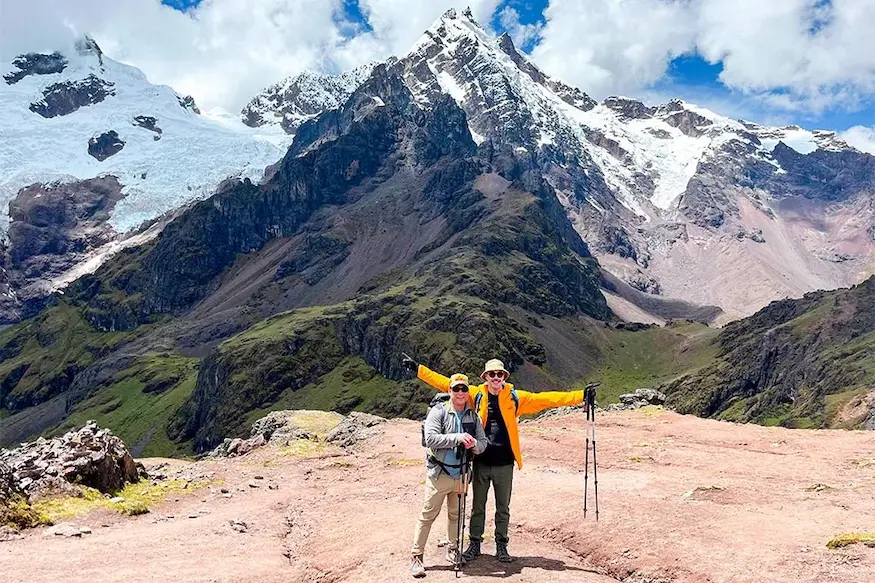
The best time to hike the Lares Trek is during the dry season, particularly from May through September.
Advantages:
Stable weather with clear skies.
Great visibility of mountains and lakes.
Less chance of rain.
Ideal conditions for photography.
Disadvantages:
Cold nights at high altitudes (often below freezing).
Higher demand – more tourists, especially June–August.
Slightly higher costs due to peak season.
2. April and October – Shoulder Seasons
April and October are also excellent months. They are transitional periods between rainy and dry seasons.
Advantages:
Less crowded than peak months.
Temperatures slightly warmer than in June–August.
Landscapes greener after the rains.
Disadvantages:
3. November to March – Rainy Season
This is considered the least ideal time to hike the Lares Trek.
Advantages:
Few tourists – trails feel remote.
Lush green landscapes and blooming wildflowers.
Lower prices from tour operators.
Disadvantages:
Heavy rain can make trails slippery and dangerous.
Higher chance of landslides and road closures.
Cloudy conditions obscure mountain views.
Cold and damp nights.
Month-by-Month Breakdown
January – Wettest Month
February – Rain and Closures
March – Transition to Dry Season
April – Great Shoulder Season
May – Beginning of Peak Season
June – High Season
Dry, sunny, and very busy.
Perfect trekking conditions.
Coldest nights.
July – Peak of Tourist Season
August – Still Busy, Very Cold Nights
September – End of Dry Season
October – Beautiful Shoulder Season
November – Rain Returns
December – Rainy Season
Altitude and Seasonal Challenges
Regardless of when you go, altitude is always a challenge on the Lares Trek. At passes over 4,600 m, nights are cold year-round.
Animals and Nature by Season
Dry Season (May–September): Easier to spot llamas, alpacas, and condors due to clear skies and open pastures.
Rainy Season (November–March): More wildflowers and green landscapes, but animals may move to lower areas.
Best Time for Photography
If you’re a photographer, the dry season (May–September) offers the clearest skies and best mountain views. The shoulder months (April and October) also give great results, with greener valleys.
Best Time for Avoiding Crowds
Low season (November–March): Few tourists, more solitude, cheaper prices.
High season (June–August): Trails are busier, though Lares is still far less crowded than the Inca Trail.
Best Time by Priorities
Best scenery: May–September.
Fewest crowds: November–March.
Best balance (weather + crowds): April and October.
Cheapest prices: Rainy season (Nov–Mar).
Cultural immersion: Year-round (villages don’t change with seasons).
Costs Depending on Season
High season (June–August): USD 600–800 for standard group tours.
Shoulder season (April, October): Slightly lower prices, around USD 550–750.
Rainy season (Nov–Mar): Discounts available, USD 500–650.
Practical Tips
Book early for June–August: This is the busiest time in Cusco.
Bring warm gear for nights: Even in dry season, expect below-freezing nights.
Rain protection is essential in wet months: Waterproof boots, poncho, and pack cover.
Acclimatize properly: Spend at least 2 days in Cusco before trekking, regardless of season.
Finally
The best time to hike the Lares Trek is during the dry season, from May to September, when weather is most stable and trails are safest. If you prefer fewer crowds and greener landscapes, the shoulder months of April and October are also excellent choices.
The rainy season (November–March) is not recommended for most travelers due to slippery trails and unpredictable conditions, though it offers solitude and lower costs.
Ultimately, the Lares Trek is a rewarding journey year-round, offering a blend of high-altitude adventure and rich cultural immersion that no other trek can match.