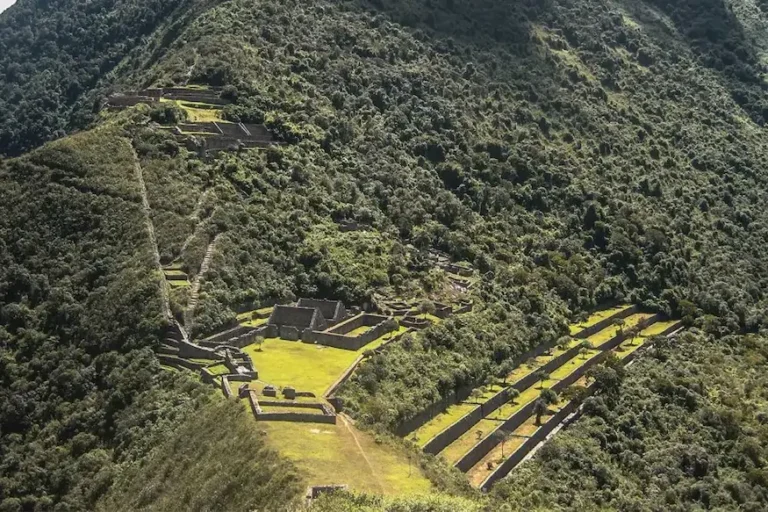
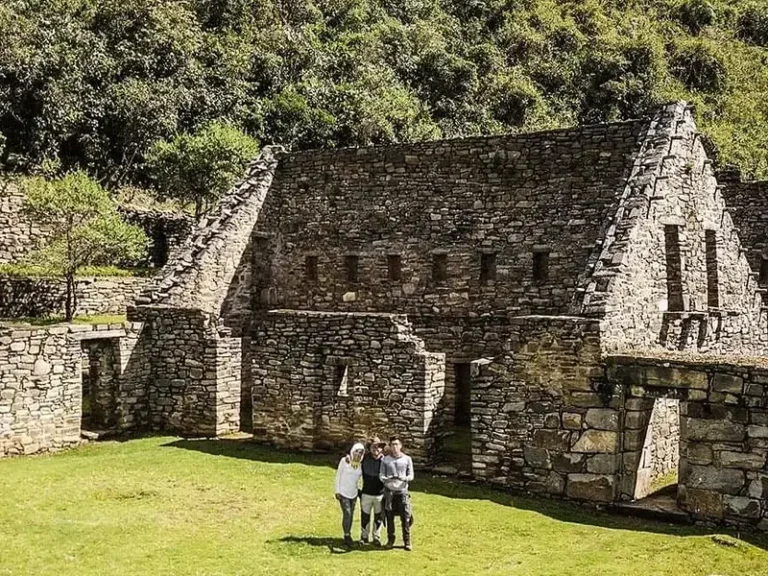
When it comes to alternative treks to Machu Picchu, two routes often come up: the Lares Trek and the Salkantay Trek. Both provide extraordinary ways to reach the iconic Inca citadel, yet they differ in landscapes, difficulty, cultural immersion, logistics, and overall experience. This comprehensive guide (approx. 2000 words) compares Lares Trek vs Salkantay so you can choose the trek that matches your preferences, fitness level, and travel goals.
Introduction to Lares Trek and Salkantay
Lares Trek
The Lares Trek is known as the “cultural route” to Machu Picchu. Instead of focusing on big archaeological sites, it emphasizes authentic interactions with local Quechua communities who live in remote Andean villages. Along the way, trekkers enjoy high-altitude scenery, glacial lakes, alpaca herds, and thermal baths. It’s less crowded and perfect for those seeking a balance of adventure and cultural immersion.
Salkantay Trek
The Salkantay Trek is considered the “scenic and adventurous alternative” to the Inca Trail. It takes hikers through breathtaking mountain landscapes, including the majestic Salkantay Mountain (6,271 m), high passes, and later descending into lush cloud forests. It’s a demanding trek, famous for its diversity of ecosystems and jaw-dropping views.
Quick Comparison Table
| Aspect | Lares Trek | Salkantay Trek |
|---|
| Duration | 4 days / 3 nights (flexible variations) | 5 days / 4 nights (classic) |
| Highest Altitude | 4,800 m | 4,650 m (Salkantay Pass) |
| Difficulty | Moderate–High (altitude main challenge) | High (steep climbs and longer days) |
| Main Focus | Cultural immersion, Andean villages, tradition | Adventure, diverse landscapes, iconic peaks |
| Crowds | Very quiet, less touristy | More popular, can be busy in high season |
| Scenery | Lakes, valleys, alpacas, traditional life | Glaciers, snowcapped mountains, jungle |
| End Point | Train to Aguas Calientes, then Machu Picchu | Arrives near Hidroelectrica, then Aguas Calientes |
| Permits | No special permits | No special permits |
| Cost | USD 500–700 | USD 600–800 |
Landscapes
Lares Trek: Ideal for those who love open valleys, turquoise lakes, and peaceful mountain views. The trek feels isolated, offering silence and connection to nature. You’ll pass through colorful Andean villages surrounded by herds of llamas and alpacas.
Salkantay Trek: Known for dramatic landscapes. It begins with snowcapped peaks and glaciers, crosses the Salkantay Pass (4,650 m), and descends into the humid cloud forest. This trek offers more variety in ecosystems compared to Lares.
Cultural Experience
Lares Trek: The highlight is cultural immersion. Travelers visit Quechua villages where ancient traditions are still alive: weaving, farming, and high-altitude lifestyles. If you want meaningful human interaction, Lares is the better choice.
Salkantay Trek: Culture is less prominent, as the trek is more about natural beauty. You might interact with locals at campsites or small towns but it’s not the main focus.
Difficulty Level
Lares Trek: Challenging due to altitude (up to 4,800 m), but daily walking distances are moderate. The main challenge is the thin air, especially for those not well-acclimatized.
Salkantay Trek: Considered harder than Lares. The days are longer (6–9 hours of hiking), with steep ascents and descents. The altitude at the pass is tough, but the long distances make it more strenuous overall.
Access to Machu Picchu
Lares Trek: Ends with a train journey from Ollantaytambo to Aguas Calientes. The next day, you explore Machu Picchu with a guided tour.
Salkantay Trek: Typically ends by hiking down to Hidroelectrica, then walking or taking a train to Aguas Calientes. The following morning includes the Machu Picchu visit.
Campsites and Comfort
Lares Trek: Campsites are remote and basic, though some itineraries include homestays with local families. Fewer facilities but more authenticity.
Salkantay Trek: More developed, as it’s a popular route. Some agencies offer “sky domes” or lodges with panoramic views of the mountains. Comfort level can be higher, depending on the package.
Altitude Considerations
Lares Trek: Peaks at 4,800 m. The high camps can be extremely cold at night, often dropping to -5 °C or lower.
Salkantay Trek: Highest point is the Salkantay Pass at 4,650 m, slightly lower than Lares, but the trek is longer, so endurance is essential. Nights are also cold at higher elevations.
Wildlife and Nature
Lares Trek: Wildlife includes llamas, alpacas, condors, and high-altitude flora. Less biodiversity but more traditional landscapes.
Salkantay Trek: Greater biodiversity thanks to the shift from alpine to jungle. Expect to see orchids, hummingbirds, waterfalls, and lush vegetation as you descend.
Best Time to Trek
Dry season (April–October): Best for both treks, with clear skies and less rain.
Rainy season (November–March): Trails are muddier and more difficult, but fewer tourists.
Cost Comparison
Lares Trek: Usually between USD 500–700. Cheaper if including homestays, more expensive with upgraded camps or luxury options.
Salkantay Trek: Typically USD 600–800, depending on the operator and whether dome lodges are included.
Advantages and Disadvantages
Lares Trek
Pros:
Rich cultural immersion with Quechua communities.
Less crowded, peaceful, authentic.
Higher altitude challenge for adventurous hikers.
Cons:
Does not include Machu Picchu Sun Gate entry.
Fewer archaeological sites compared to other routes.
Cold nights can be tough.
Salkantay Trek
Pros:
Stunning variety of landscapes (snow peaks to jungle).
Popular alternative to the Inca Trail.
Some operators offer high-comfort camping/lodges.
Cons:
More crowded, especially in peak season.
Physically demanding with longer days.
Less direct cultural experience.
Who Should Choose Lares Trek?
Travelers who value cultural encounters over ruins.
Hikers looking for a quieter, less touristy trail.
Those who enjoy authenticity and community visits.
People seeking a challenging but not overly long trek.
Who Should Choose Salkantay Trek?
Adventurers who prioritize dramatic scenery and ecosystems.
Trekkers in good physical shape who want a challenge.
Those who couldn’t get Inca Trail permits but still want a famous alternative.
Hikers who appreciate comfort upgrades like sky domes.
Finally
When comparing Lares Trek vs Salkantay, the choice depends on what kind of experience you want:
Pick Lares Trek for authentic culture, traditional Andean life, and tranquil mountain scenery.
Pick Salkantay Trek for adventure, stunning landscapes, and physical challenge.
Both are unforgettable routes that lead to Machu Picchu, offering unique experiences of the Peruvian Andes.