The Lares Trek is one of the most authentic and culturally rich alternatives to the classic Inca Trail. While it may not be as famous as the Inca Trail or the adventurous Salkantay Trek, Lares offers something unique: deep immersion in Andean life, breathtaking high-altitude landscapes, and far fewer crowds. For hikers who value authenticity, human connection, and natural beauty, the Lares Trek is a top choice.
In this comprehensive guide (around 2000 words), we’ll cover everything you need to know about the Lares Trek, including its altitude, duration, accommodations, altitude sickness, animals, weather throughout the year, best time to hike, costs, elevation gain, the highest point, and whether it’s possible to do it without a guide.
Lares Trek to Machu Picchu
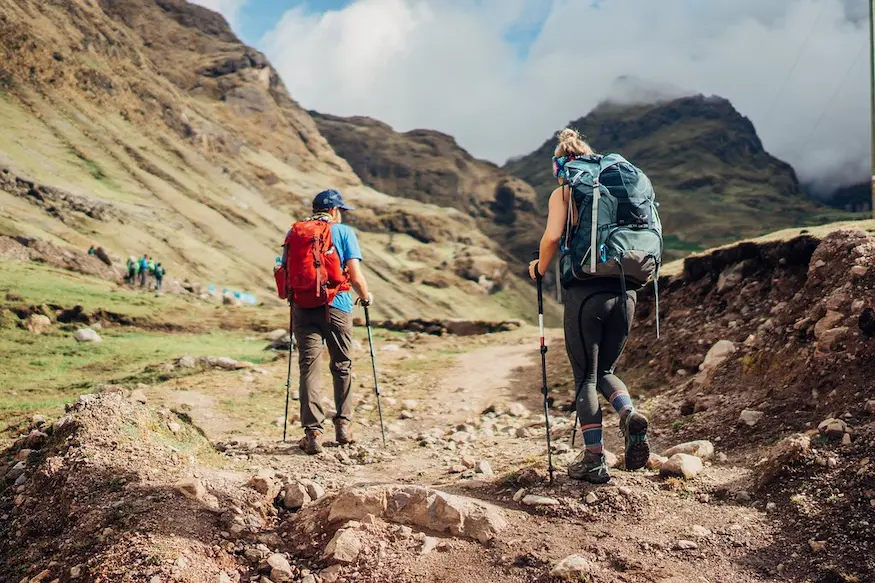
The Lares Trek to Machu Picchu is often referred to as the “Cultural Trek.” Unlike other routes, it focuses less on Inca archaeological sites and more on the people and traditions of the Andes. Trekkers pass through remote Quechua-speaking villages where locals still farm, herd alpacas, and weave textiles using techniques passed down for generations.
The landscapes are equally impressive: turquoise lakes, soaring snowcapped peaks, natural hot springs, and dramatic mountain passes. The trek ends with a scenic train ride to Aguas Calientes, followed by a guided visit to Machu Picchu, the crown jewel of the Inca Empire.
How Long is the Lares Trek?
The Lares Trek typically lasts 4 days and 3 nights, though some agencies offer variations of 3 days or extended versions of 5 days. The most common itinerary includes:
Day 1: Cusco – Lares Hot Springs – first campsite
Day 2: Trekking through valleys, lakes, and high passes
Day 3: Final trekking day and transfer to Ollantaytambo – train to Aguas Calientes
Day 4: Visit to Machu Picchu
The total trekking distance depends on the chosen route but usually ranges between 33 km and 40 km (20–25 miles).
How High is the Lares Trek?
The Lares Trek is a high-altitude trek. The highest point varies slightly depending on the route, but most itineraries include a mountain pass between 4,600 m and 4,800 m (15,100–15,750 ft).
The highest point is often the Ipsayccocha Pass (4,800 m), making it more challenging than the Inca Trail in terms of altitude.
Lares Trek Elevation Gain
Trekkers usually start the hike around 3,200–3,300 m and ascend gradually toward the passes. The total elevation gain during the trek is about 1,500–1,800 m (4,900–5,900 ft).
While not technical, the combination of steep sections and high altitude makes it demanding for those who are not acclimatized.
Altitude Sickness on the Lares Trek
Because the trek reaches almost 4,800 m, altitude sickness is a real risk. Symptoms include headache, dizziness, shortness of breath, nausea, and fatigue.
How to Prevent Altitude Sickness
Spend at least 2–3 days in Cusco or the Sacred Valley before the trek.
Stay hydrated and avoid alcohol.
Walk slowly and pace yourself.
Coca tea or coca leaves (traditional remedies) may help.
Some travelers use acetazolamide (Diamox) as a preventative measure.
With proper acclimatization, most hikers can complete the trek safely.
Accommodations on the Lares Trek
Accommodations vary depending on whether you trek with an agency or independently.
Camping: Most itineraries involve camping in designated spots. Agencies provide tents, dining tents, and sleeping pads. Nights are cold, often below freezing.
Homestays: In some Lares itineraries, trekkers stay in local Andean homes, experiencing family life and traditional meals.
Lodges: A few premium tours offer rustic lodges with better comfort, but these are less common.
Animals You May See on the Lares Trek
The trek is famous for encounters with traditional Andean animals:
Alpacas and llamas: Common throughout the trek, especially near villages.
Sheep and horses: Domesticated animals grazing in the high valleys.
Condors and eagles: Occasionally spotted soaring over the mountains.
Vizcachas: Rabbit-like rodents living in rocky areas.
Pack animals: Horses and donkeys are often used to carry gear.
Wildlife is not as diverse as in the Salkantay Trek (which descends into the jungle), but the presence of alpacas against mountain backdrops is iconic.
Weather on the Lares Trek All Year Round
The Lares Trek has two main seasons:
Best Time to Hike Lares Trek
The best months are May through September, during the dry season. June–August are the busiest, while April and October offer good balance between weather and crowds.
Costs of the Lares Trek
Prices vary depending on the tour operator, level of comfort, and inclusions.
Group tours: USD 500–700 per person (includes guide, food, tents, Machu Picchu ticket, and train).
Private tours: USD 800–1,200 per person, offering more personalized service.
Luxury tours: USD 1,500+, often with lodge stays and premium amenities.
Independent trekking: Can cost as little as USD 200–300, but requires arranging transport, food, and camping gear yourself.
Lares Trek Without a Guide
Unlike the Inca Trail, the Lares Trek does not require a special permit. This means you can hike it independently. However, going without a guide comes with challenges:
Trails are not always well-marked.
You must carry your own camping gear and food.
Language barriers: locals mostly speak Quechua, some Spanish.
Logistics of transport to/from Lares and Ollantaytambo can be tricky.
For experienced hikers used to high-altitude trekking, going without a guide is possible. For most travelers, joining a guided tour is recommended for safety and cultural interpretation.
Highest Point of the Lares Trek
The highest point of the Lares Trek is usually around 4,800 m (15,750 ft) at Ipsayccocha Pass. This makes it one of the higher treks in the Cusco region. Reaching this pass is both the hardest and the most rewarding moment of the trek, with sweeping views of snowcapped mountains and turquoise lakes.
Lares Trek Itinerary Example
Day 1: Cusco – Lares Hot Springs – Huacahuasi
Day 2: Huacahuasi – Ipsayccocha Pass – Ipsayccocha Lake
Day 3: Ipsayccocha – Ollantaytambo – Aguas Calientes
Day 4: Machu Picchu Visit
Why Choose the Lares Trek?
Culture: Unlike other treks, Lares immerses you in living Andean traditions.
Scenery: Stunning alpine lakes, valleys, and mountain passes.
Peace: Fewer tourists compared to the Inca Trail or Salkantay.
Flexibility: No strict permits, easy to book even last-minute.
Finally
The Lares Trek is one of the most authentic ways to reach Machu Picchu. With its high-altitude challenges, cultural immersion, and breathtaking landscapes, it’s perfect for travelers who want a deeper connection to the Andes beyond archaeology.
From its altitude of 4,800 m, traditional accommodations, and encounters with alpacas to its flexible booking system and affordable cost, the Lares Trek stands out as a cultural gem among Machu Picchu treks.
Whether guided or independent, this journey guarantees unforgettable memories, stunning scenery, and an appreciation for the resilience of Andean life.